 Featured series
Nation & World
-
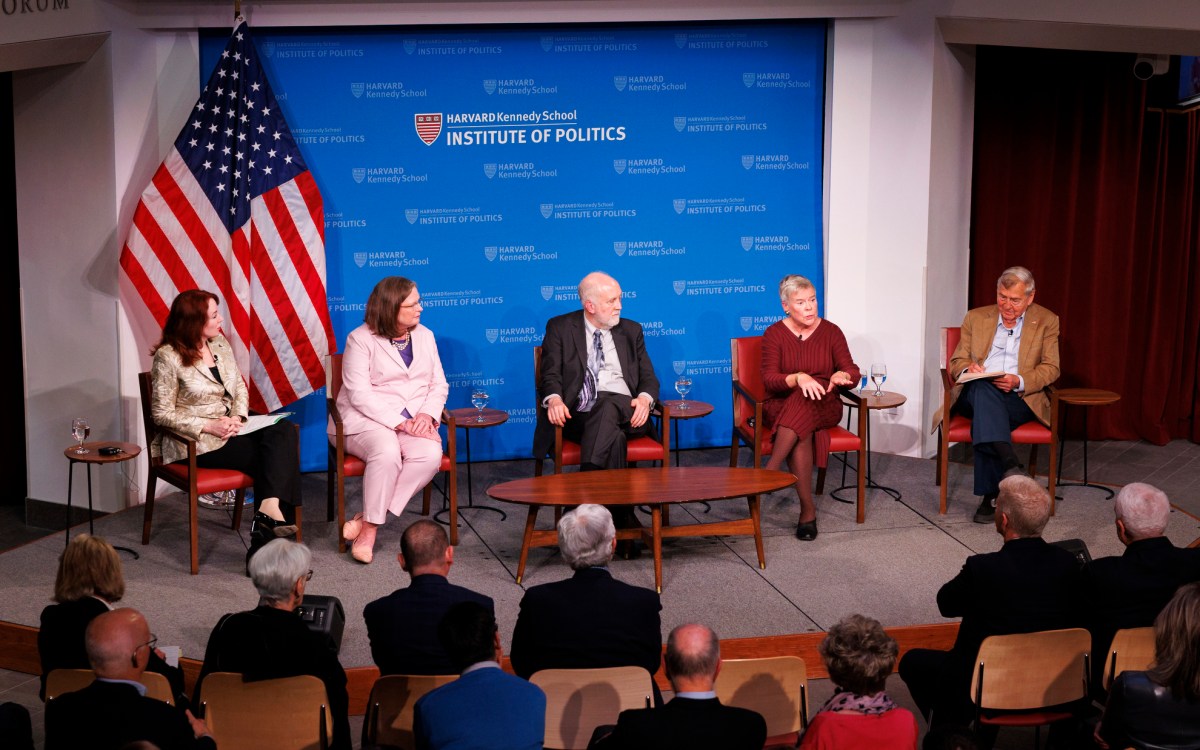
Deterring the next nuclear arms race
Experts assess threat landscape amid war, lapsing treaties, declining faith in U.S. security guarantee
-
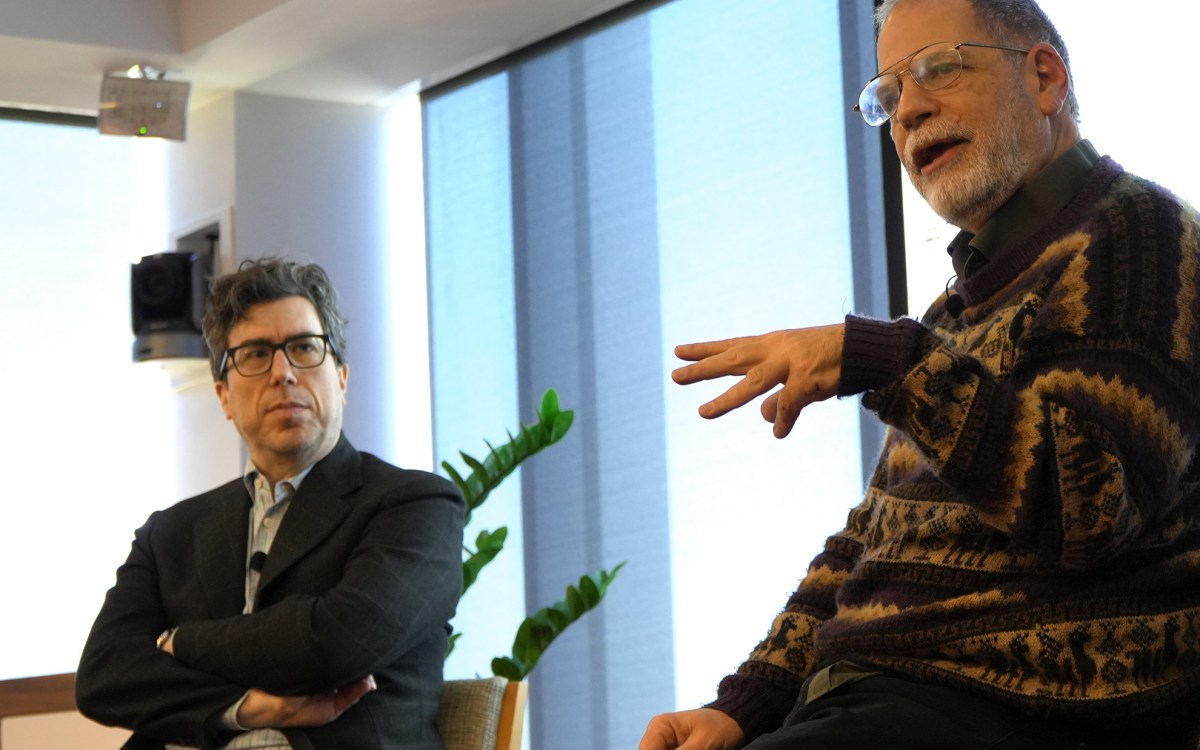
Got personal financial, medical data you’d like to keep private? Good luck.
AI and society expert warns new agentic releases to increase odds cybercriminals, hackers will be able to breach secure systems
-
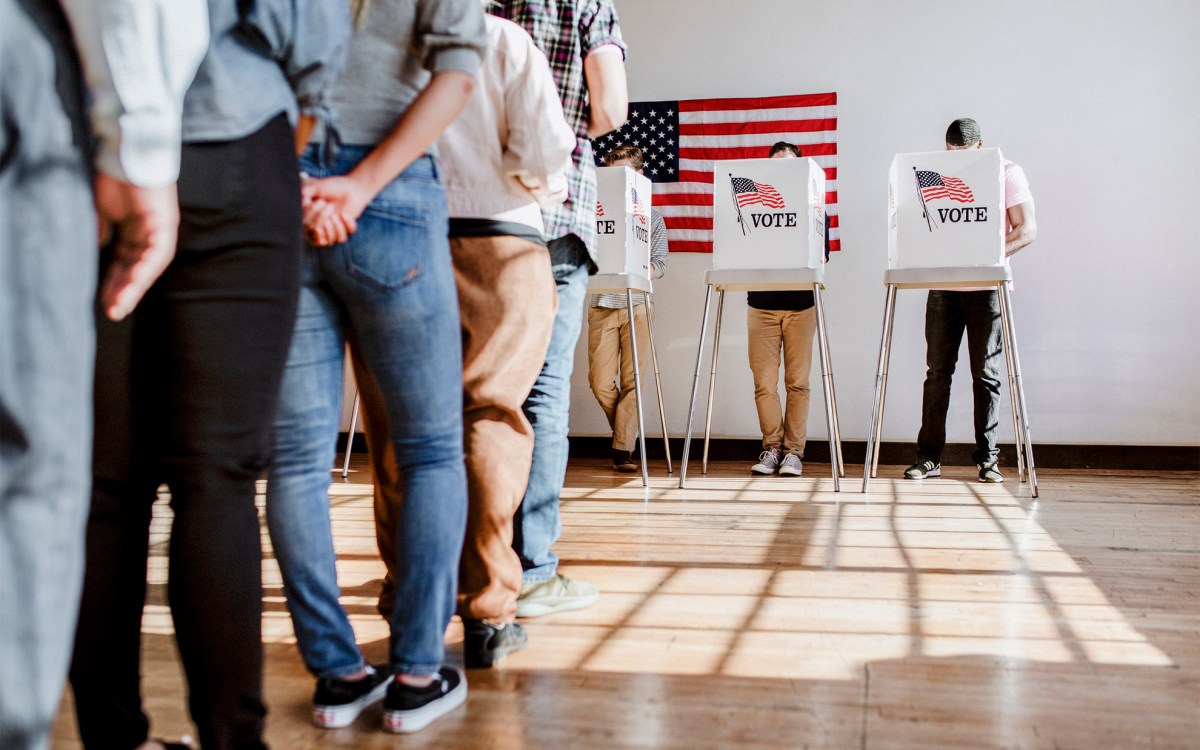
Voting goes to court
Election law expert assesses challenges to state authority as parties look ahead to midterms
-
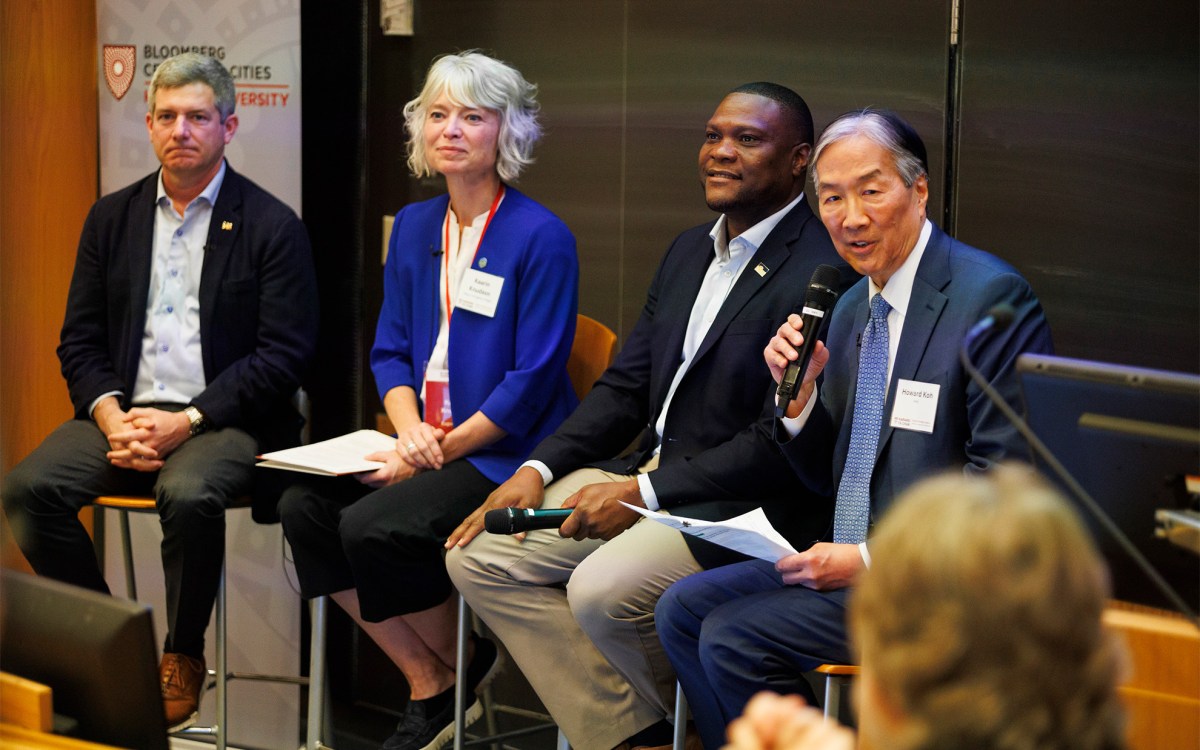
How 3 mayors are combating homelessness
City leaders meet to discuss ‘highly visible and highly unacceptable’ crisis
-
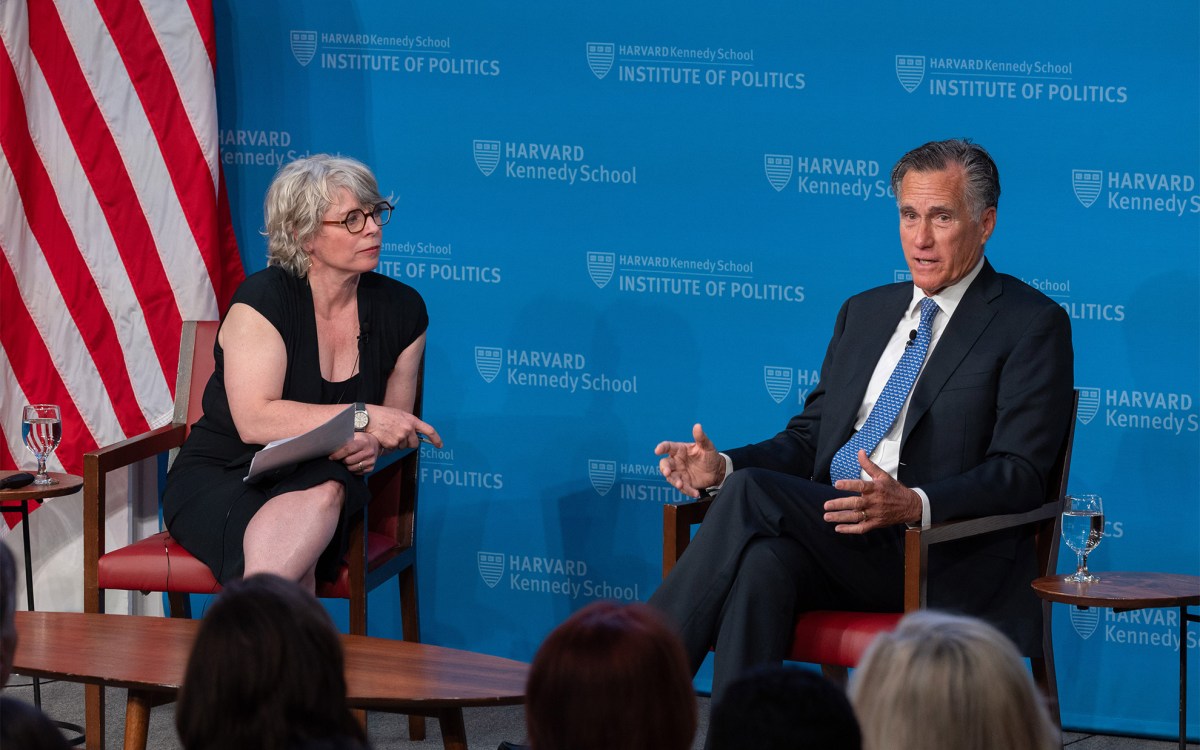
What it will take to turn things around
Mitt Romney offers critique on nation’s divisiveness, foreign policy, value of hard, thankless work of governing
-
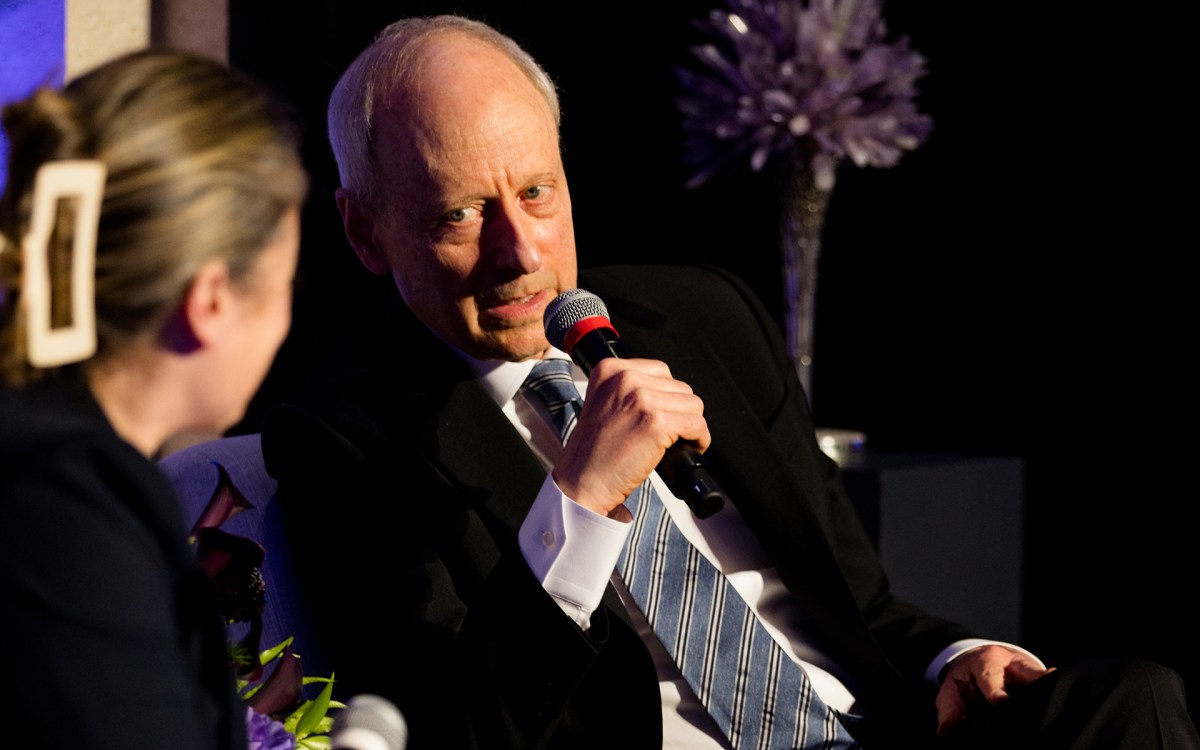
Michael Sandel saw it coming
Philosophy helps us solve ‘big questions that matter,’ argues ‘Justice’ professor as he accepts Berggruen Prize
-
Uncertain forecast for Social Security
A new study has found that the financial health of Social Security, the program millions of Americans have relied on for decades as a crucial part of their income, has been dramatically overstated.
-
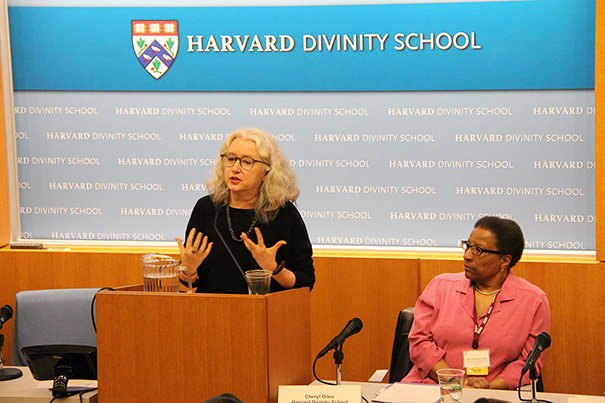
The modern Buddhist minister
The conference “Education and Buddhist Ministry: Whither — and Why?” was held at the Harvard Divinity School and marked a new undertaking for its Buddhist Ministry Initiative.
-
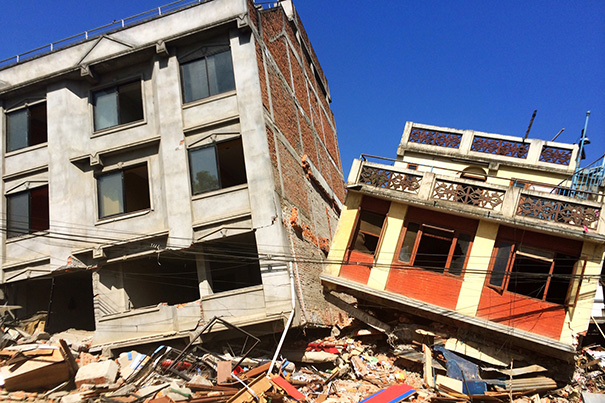
‘Destruction across the city’
Lara Phillips, a Harvard Medical School instructor in emergency medicine, was in Nepal during the April 25 earthquake that devastated Kathmandu and other areas. She and colleagues have traveled from the high-mountain clinic where they worked to offer assistance.
-
The women who questioned Wall Street
A trio of Wall Street’s toughest critics talks about gender and taking on what’s been called America’s ultimate boys’ club.

-
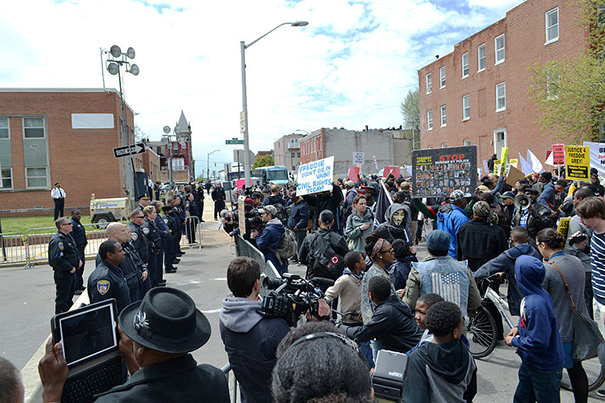
Justice, pursued
Harvard experts discuss how institutional policing strategies, practices, and culture contribute to the distrust between law enforcement and black citizens in many American cities, including Baltimore.
-
Nigeria at the crossroads
Nobel laureate and writer Wole Soyinka told a Harvard audience on Wednesday that ruthless Islamist religious fundamentalism is “the enemy of humanity.”

-
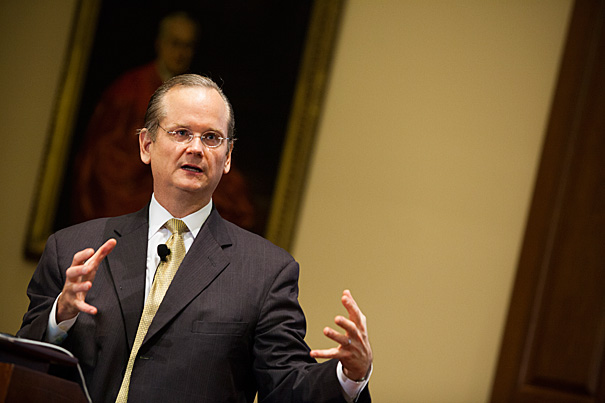
Drilling down on corruption
As he concludes a five-year lab study on institutional corruption, Harvard Law School Professor Lawrence Lessig, departing as head of the Edmond J. Safra Center for Ethics, reflects on the lessons learned, and the challenges that remain.
-
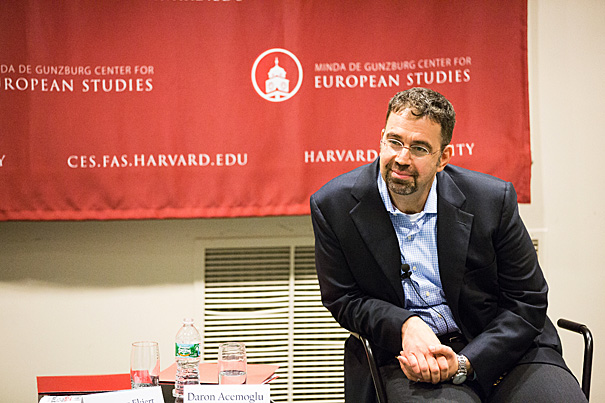
Understanding Turkey
Turkey appears to be moving away from the path toward reforms that helped to fuel an economic resurgence there in the early 2000s, a leading economist told a Harvard audience.
-
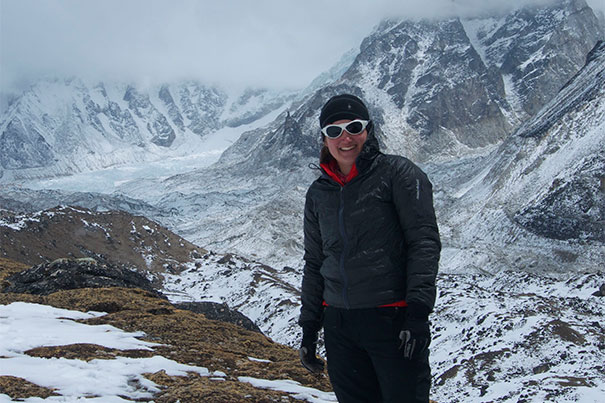
‘I felt as if I was on a boat at sea’
Renee Salas, a Wilderness Medicine Fellow from Harvard-affiliated Massachusetts General Hospital and Harvard Medical School instructor in emergency medicine, was working at a remote clinic near the Mount Everest Base Camp when Saturday’s earthquake struck Nepal. She shared her experience with the Gazette.
-
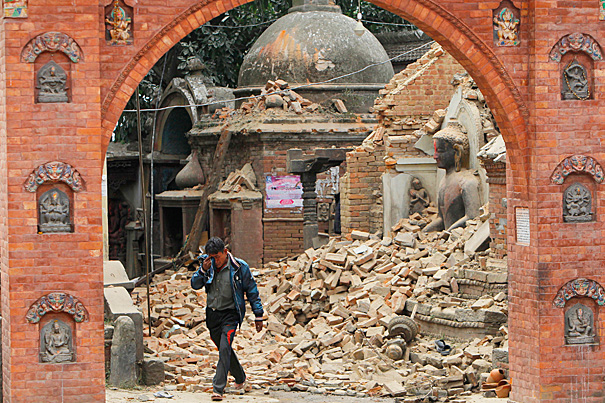
After Nepal quake, Harvard responds
With Nepal struggling to grasp the enormous calamity caused by the magnitude 7.8 earthquake that struck north of Kathmandu Saturday, Harvard is mobilizing to help with technical and medical assistance and reaching out to faculty, staff, and students visiting the region.
-
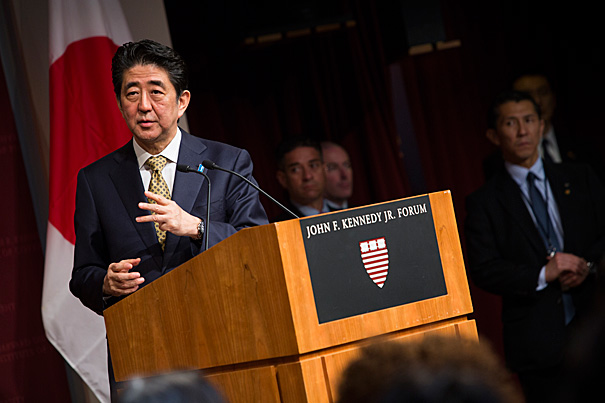
Not backing down
Speaking at the Harvard Kennedy School, Japanese Prime Minister Shinzo Abe talked about his country’s economic and political difficulties, during the first stop of his state visit to the United States.
-
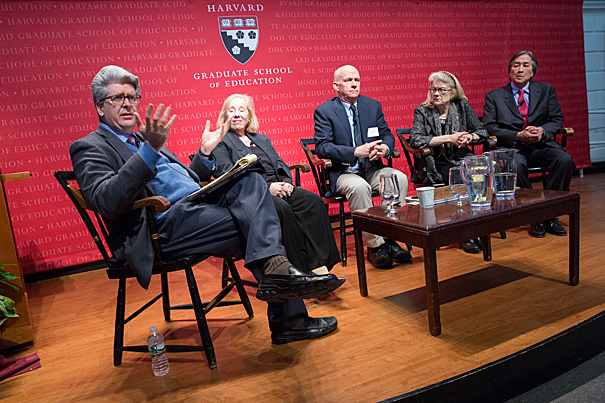
Reconnecting on education
Panelists across Harvard gather to consider how education should and will affect tomorrow’s global challenges.
-
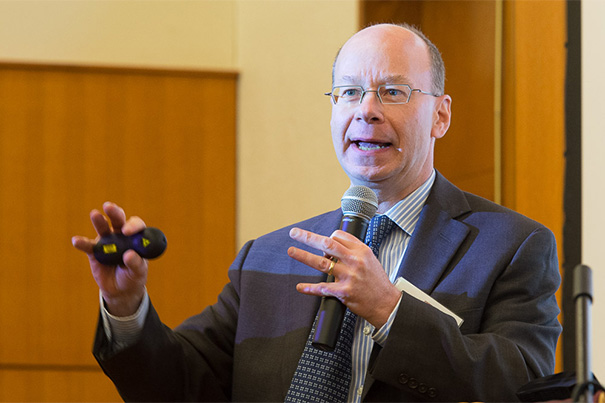
The future of world religions
The head of religion research at the Pew Center, Alan Cooperman, told a Harvard Divinity School audience on April 17 that Muslims could exceed the number of Christians in fewer than 60 years.
-
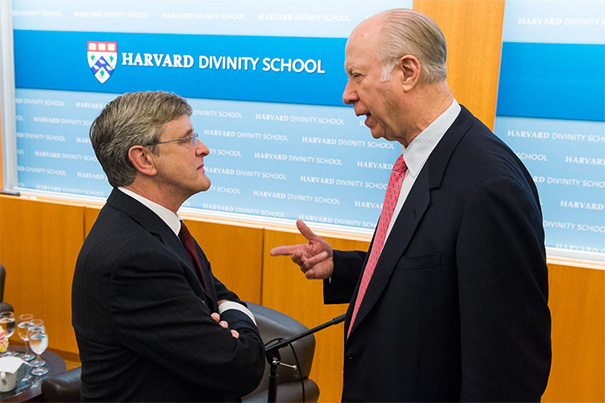
God and the White House
Longtime presidential adviser and Harvard Kennedy School Professor David Gergen engaged in a wide-ranging conversation on the complex intersections of religion, politics, and public life.
-
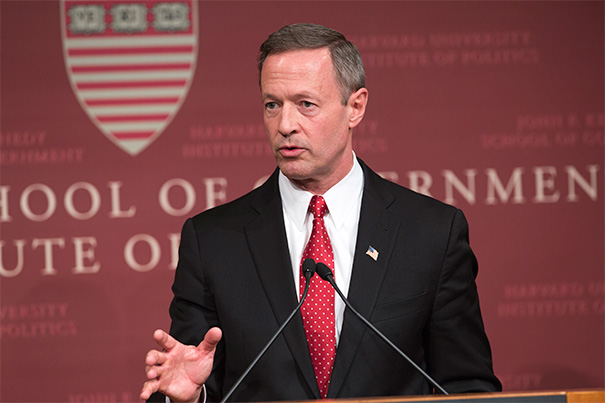
Polite populism
Former Maryland Gov. Martin O’Malley, a possible challenger to Hillary Clinton in the 2016 Democratic primary race for president, previewed his economic agenda at Harvard Kennedy School on April 16.
-
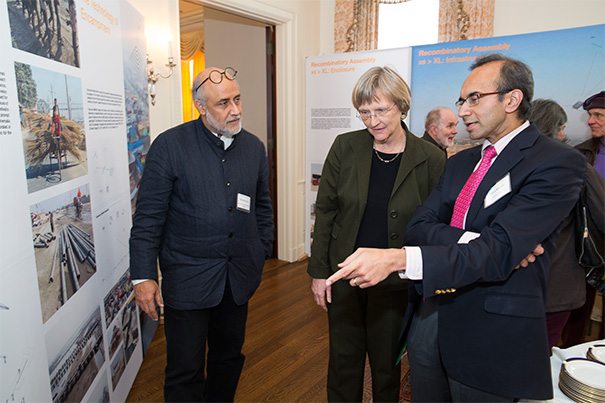
A powerful convergence
Harvard faculty members from several disciplines gathered to share thoughts about their work at the 2013 Kumbh Mela religious festival in India.
-
The Ferguson conversation
In the wake of the Ferguson tumult, an Askwith Forum panel examines ways to promote discussions on race, and to craft solutions during a discussion at the Harvard Graduate School of Education.

-
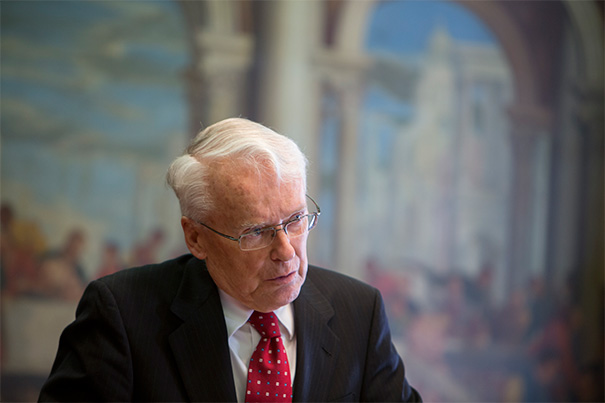
Night of terror
The Rev. Clark Olsen, S.T.B. ’59, who witnessed the 1965 Selma, Ala., murder that accelerated passage of the Voting Rights Act, launched a two-day Harvard look back at the Civil Rights era.
-
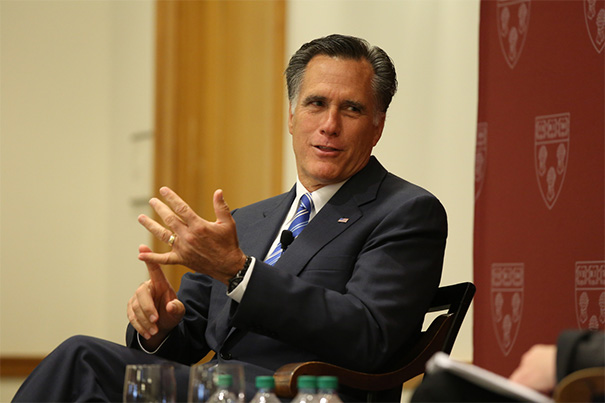
Closing the information gap
Mitt Romney, the former Massachusetts governor and Republican presidential nominee, visited Harvard Law School on April 10 for a Q&A session hosted by Dean Martha Minow. He encouraged a renewed civility in politics and society, emphasizing the difference one person can make through serving others.
-
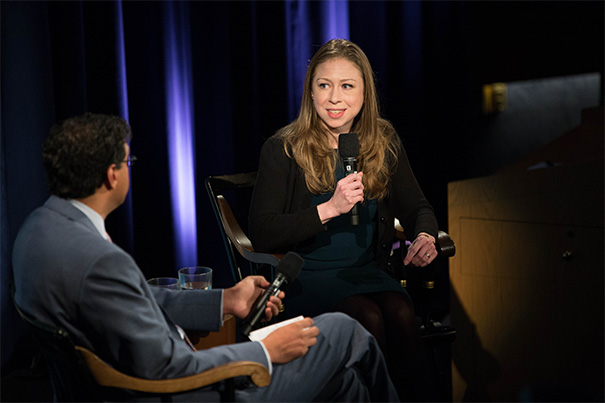
Ingenuity in public health
Inaugural winner Chelsea Clinton was on hand as the Harvard T.H. Chan School of Public Health recognized Blake Mycoskie of TOMS Shoes with this year’s Next Generation Award.
-
‘Voices of Syria’
Starting in May 2013, in two of Syria’s war-torn cities, specially trained operatives moved from door to door with a singular purpose: to ask questions. Vera Mironova, a graduate research fellow at Harvard’s Program on Negotiation, was one of the lead authors of the “Voices of Syria” project. She will discuss it today at noon at Wasserstein B015, Harvard Law School.

-
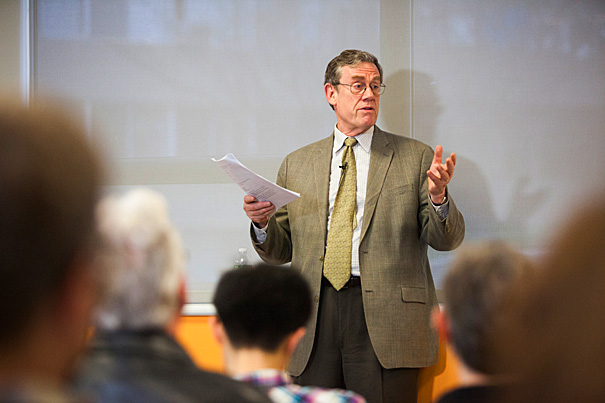
A new office, a global audience
In a question-and-answer session, HarvardX head Peter Bol outlines the challenges ahead for the online platform and for teaching and learning.
-
Three strong women
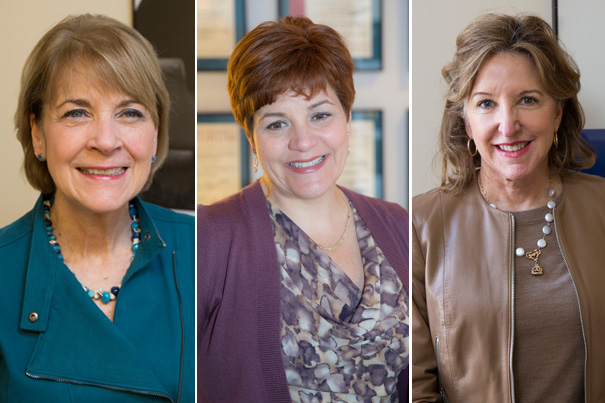
IOP Fellows Martha Coakley, Kay Hagan, and Christine Quinn talk candidly about their battle-scarred campaign days and advise students on what it really takes to make it in politics.
-
Albright, on negotiating
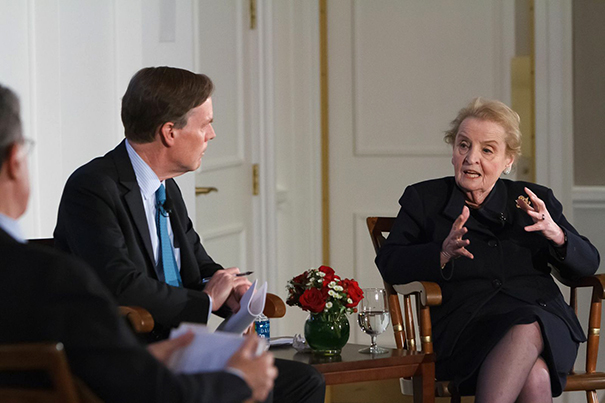
The value of a clear understanding of your country’s objectives and the power of personal relationships were among the insights former U.S. Secretary of State Madeleine Albright shared with a Harvard audience.
-
Whither Iran
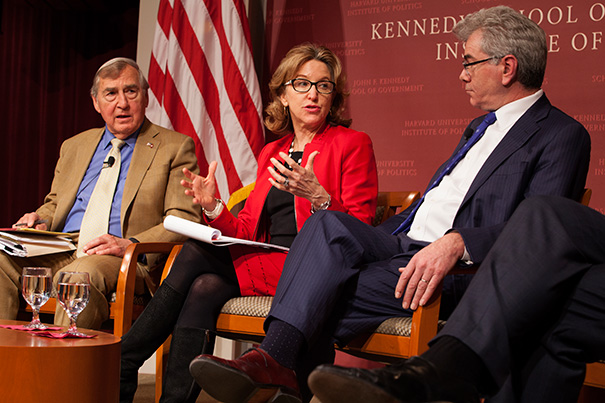
As negotiators worked beyond a deadline, experts at Harvard Kennedy School considered the possible outcomes of a deal, or no deal, with Iran over nuclear materials.
-
Breaking down the Middle East
Harvard experts assess the rolling waves of violence and political upheaval across much of the Middle East and North Africa.

-
Massive study on MOOCs
A Harvard and MIT study’s findings suggest that teachers often constitute a significant portion of the participants in MOOCs; that learner intentions matter; and that those with financial stakes have higher completion rates.

-
‘The most dangerous thing in the world is apathy’
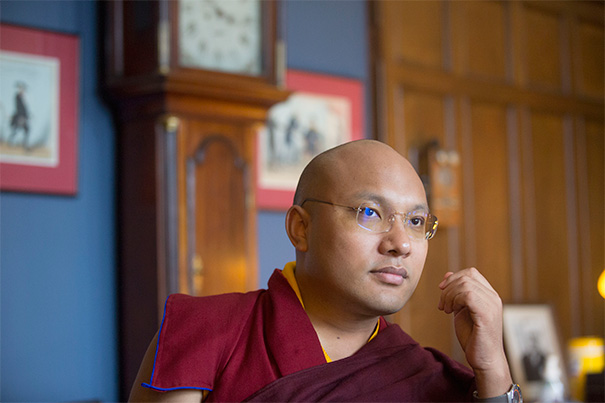
His Holiness the 17th Gyalwang Karmapa, Ogyen Trinley Dorje, spoke about love, environmental issues, and apathy to a capacity crowd at Harvard’s Memorial Church.
-
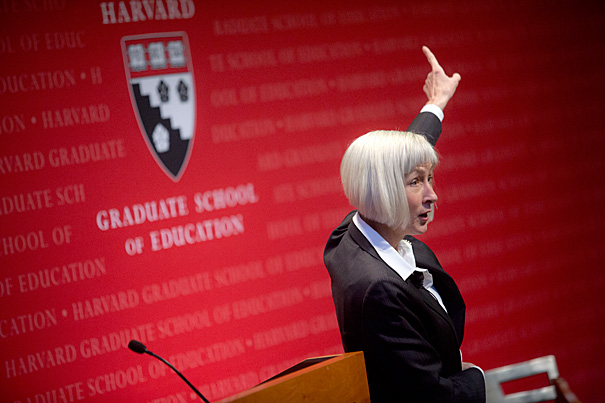
Radically rethinking education
Higher education in the digital age is radically remaking the models by which it delivers its content, the leader of a higher education technology association said.
-
Harvard in Beijing
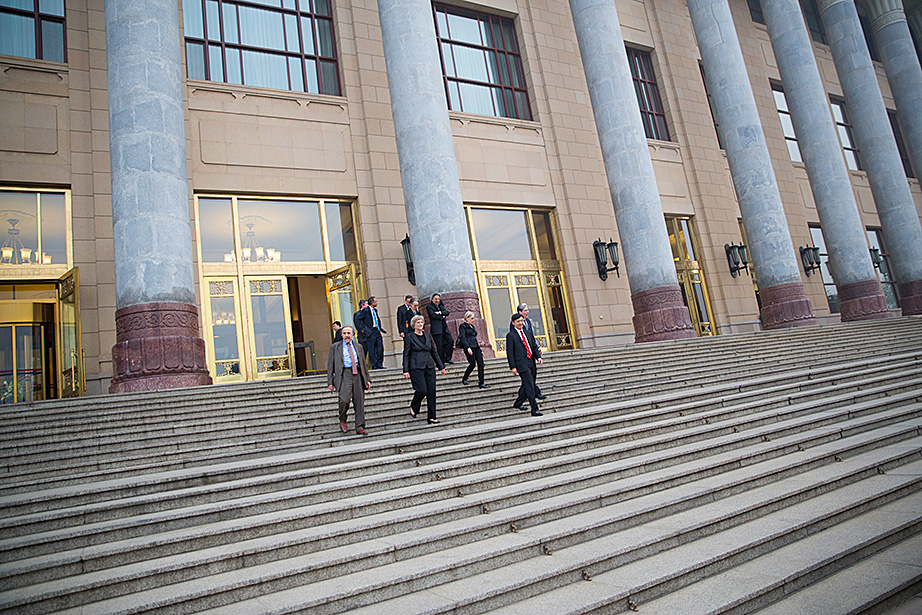
During a historic visit to Beijing, Harvard President Drew Faust delivered the Tsinghua Global Vision Lecture, “Universities and the Challenge of Global Climate Change,” to faculty and students at Tsinghua…