
 Featured series

Health
-

Hearing breakthrough holds up
Gene therapy yields lasting gains for patients with inherited deafness: ‘How well it worked is really amazing.’

-

Dangers coming from inside the house
John D. Spengler reflects on 50-year career of clearing the air — including in hockey rinks and on airplanes
-

Blood test has potential to detect earliest signals of Alzheimer’s disease
New study suggests higher levels of pTau217 predict a faster progression, even when initial brain scans appear normal
-

Rural U.S. bears heaviest burden accessing dental care
Researchers find 24.7 million Americans live in dental deserts, with transportation and specialty care the steepest barriers
-

Psychedelics and the search for truth
Legal scholar sees common interests with law, religion, humanities
-
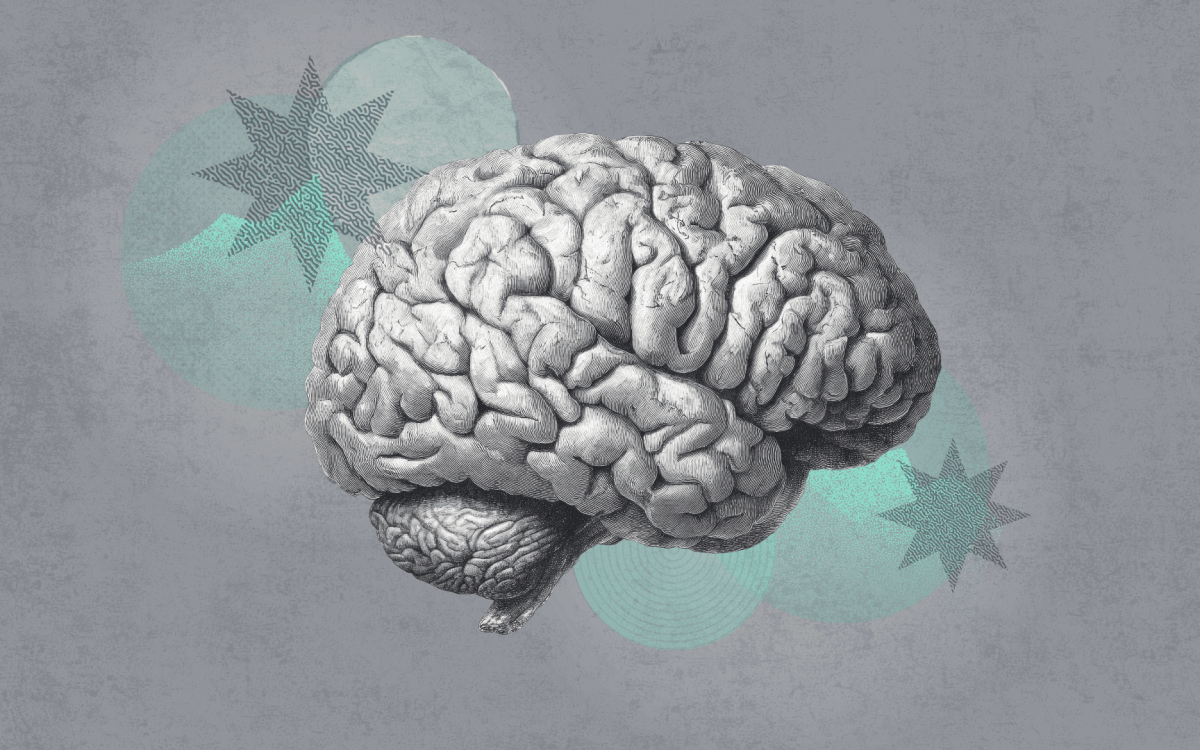
How super-agers keep their brains young
In podcast, experts break down ‘biological contradiction’ of a 65-year-old with the memory of a 25-year-old — and what that means for the rest of us
 Podcast
-
Height and death
Mothers shorter than 4 feet, 9 inches in low- to middle-income countries had about a 40 percent higher risk of their children dying within the first five years of life than mothers who…
-
Get the salt out
Responding to the health threat posed by Americans’ over-consumption of sodium, experts in the department of nutrition at Harvard School of Public Health (HSPH) and The Culinary Institute of America…
-
In praise of the Y chromosome
David Page, director of the Whitehead Institute and professor of biology at Massachusetts Institute of Technology, says research indicates the much-maligned Y chromosome plays a more critical role in genetics than previously believed.

-
The nicotine-candy connection
A new nicotine product, apparently designed to tide smokers over in places where they can’t light up, resembles some candy. It leads to fear among researchers that children will eat the pills and suffer poisoning.

-
Researchers warn new, dissolvable nicotine products could lead to accidental poisoning in children and youths
A tobacco company’s new, dissolvable nicotine pellet–which is being sold as a tobacco product, but which in some cases resembles popular candies–could lead to accidental nicotine poisoning in children, according…
-
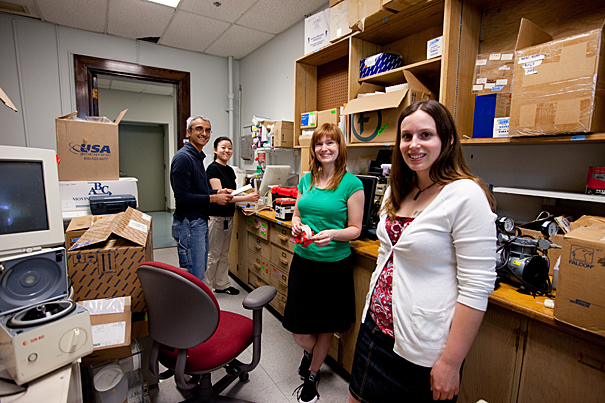
From lab trash to treasure
Surplus and waste laboratory equipment from Harvard is finding new life in labs overseas through two student groups and a nonprofit started by a former Harvard graduate student.
-
When cost-cutting backfires
Chronically ill elderly patients, when asked to bear a higher share of health care costs, cut prescription drug use and office visits. Consequently, they were hospitalized more often, according to a Harvard Kennedy School study.

-
Novel artificial pancreas controls blood sugar more than 24 hours
An artificial pancreas system that closely mimics the body’s blood sugar control mechanism was able to maintain near-normal glucose levels without causing hypoglycemia in a small group of patients. The…
-
Electronic medical records not a panacea?
The implementation of electronic health record systems may not be enough to significantly improve health quality and reduce costs. In the April 2010 issue of Health Affairs, Harvard researchers from…
-
Childhood cancer survivors may face shortened lifespan, study reveals
Although more children today are surviving cancer than ever before, young patients successfully treated in the 1970s and 80s may live a decade less, on average, than the general population,…
-
Killer mushrooms!
It is thought to have been responsible for the deaths of emperors. In parts of California’s forests, it is everywhere. It is the deathcap mushroom, Amanita phalloides, so filled with…
-
Treatment resistance in some cancer cells may be reversible
The ability of cancer cells to resist treatment with either targeted drug therapies or traditional chemotherapy may, in some cases, result from a transient state of reversible drug “tolerance.” In…
-
A ‘mind-blowing’ day
Vermont high school students explore the human brain, with help from Harvard scholars.

-
Understanding the deadly deathcap
Biology Professor Anne Pringle is taking the study of one of the world’s most poisonous mushrooms out of the realm of adventure stories and into the world of ecology, in an attempt to better understand how it spreads.

-
Did rapid brain evolution make humans susceptible to Alzheimers?
Of the millions of animals on Earth, including the relative handful that are considered the most intelligent — including apes, whales, crows, and owls — only humans experience the severe…
-
Alzheimer’s for humans only
Disorders that result in severe neurological decline, such as Alzheimer’s disease, are not found in other animals, meaning that humans acquired their predisposition to the disease during recent evolution.

-
Post Traumatic Stress Disorder knows no international boundaries
The diagnosis and treatment of post-traumatic stress disorder has come a long way since the 1970s, with research now showing it is both more common and more treatable than once…
-
Internet offers risks as well as benefit to patients
The Internet has had a profound effect on clinical practice by providing both physicians and patients with a wealth of information. But with those rewards come risks of incorrect or…
-
Post-traumatic stress
Terry Keane, a longtime PTSD researcher and associate chief of staff for research and development at the Veterans Affairs Boston Healthcare System, says researchers in recent years have learned much about post-traumatic stress, including that it is both more prevalent and more treatable than previously supposed.

-
‘I thought a bomb went off’
As twilight fell over Port-au-Prince that first terrible night after Haiti’s January earthquake, Louise Ivers watched a strange cloud of dust settle over the city. Stirred by buildings collapsing as the late afternoon quake struck, the cloud was pierced only by sound, a rising chorus of screams from across the capital as the toll became apparent.
-
60 minutes of exercise per day needed for middle-aged women to maintain weight
If a middle-aged or older woman with a normal body mass index wants to maintain her weight over an extended period, she must engage in the equivalent of 60 minutes…
-
Replacing those saturated fats
In a new study, researchers at the Harvard School of Public Health find that replacing saturated fats with polyunsaturated ones is likely to help reduce the risk of heart disease.

-
Polyunstaturated fats may cut risk of heart disease
Although for nearly 60 years people have been urged to decrease their consumption of saturated fats to prevent heart disease, there has been surprisingly little scientific evidence that doing so actually decreases the risk of coronary heart disease events
-
“Good” cells can go “bad” in a “bad neighborhood”
Normal.dotm 0 0 1 375 2142 Harvard University 17 4 2630 12.0 0 false 18 pt 18 pt 0 0 false false false The general theory of cancer development holds…
-
Playing on our instincts
Assistant clinical professor of psychology Deirdre Barrett says that many of today’s ills come from intentional overstimulation of natural human impulses, giving people hard-to-resist appetites for everything from fighting to sex to unhealthy foods.

-
Epstein-Barr Virus implicated as a cause of MS
Researchers from the Harvard School of Public Health, Walter Reed Army Institute of Research, and a team of collaborators have observed for the first time that the risk of multiple…
-
War-related stress associated with increased risk of asthma
The trauma experienced during war may increase the risk of developing asthma, according to the results of a new study by Harvard researchers at Brigham and Women’s Hospital (BWH), Harvard…
-
Right this way! See it! Taste it!
Former FDA commissioner David Kessler says overeating has to be attacked the same way that tobacco was in the past, by making it socially unacceptable.

-
Alzheimer’s-associated protein may be part of the innate immune system
Amyloid-beta protein – the primary constituent of the plaques found in the brains of Alzheimer’s disease patients – may be part of the body’s first-line system to defend against infection.…
-
It’s all in the cortex
Research suggests that the brain’s lateral prefrontal cortex plays an important role in showing how well someone can rebound emotionally the day after an argument.