 Featured series
Health
-
Hearing breakthrough holds up
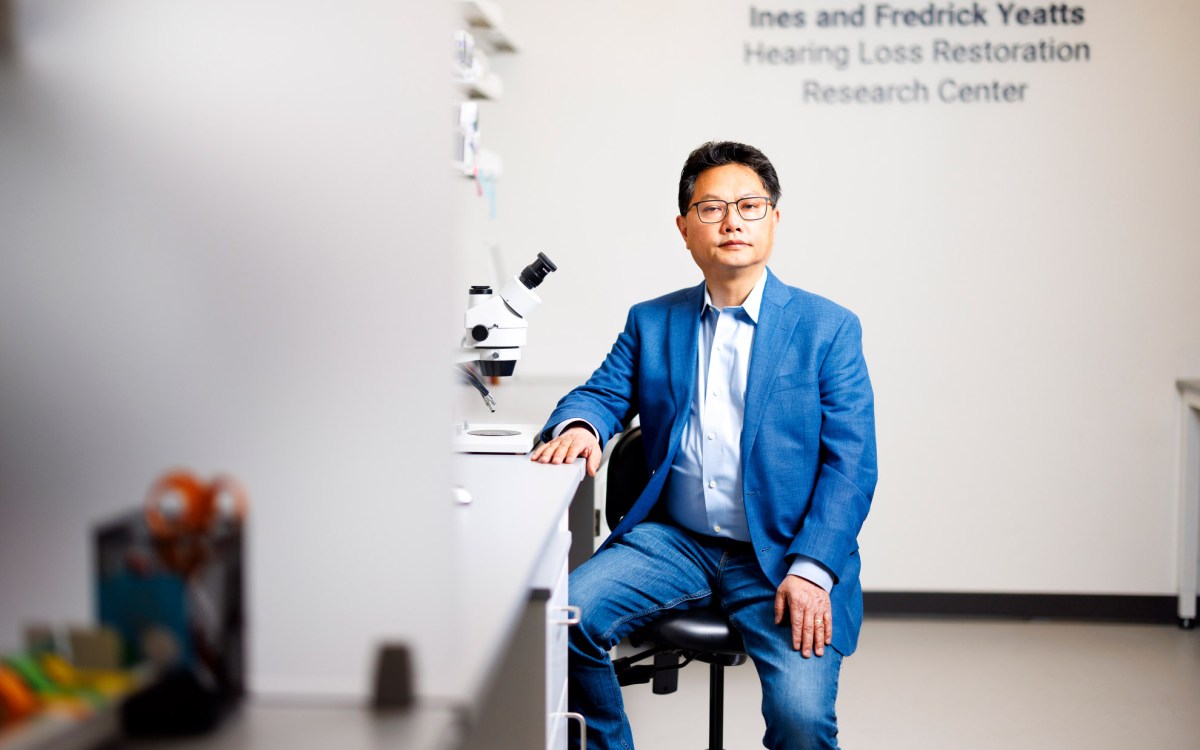
Gene therapy yields lasting gains for patients with inherited deafness: ‘How well it worked is really amazing.’

-

Dangers coming from inside the house
John D. Spengler reflects on 50-year career of clearing the air — including in hockey rinks and on airplanes
-
Blood test has potential to detect earliest signals of Alzheimer’s disease
New study suggests higher levels of pTau217 predict a faster progression, even when initial brain scans appear normal
-

Rural U.S. bears heaviest burden accessing dental care
Researchers find 24.7 million Americans live in dental deserts, with transportation and specialty care the steepest barriers
-
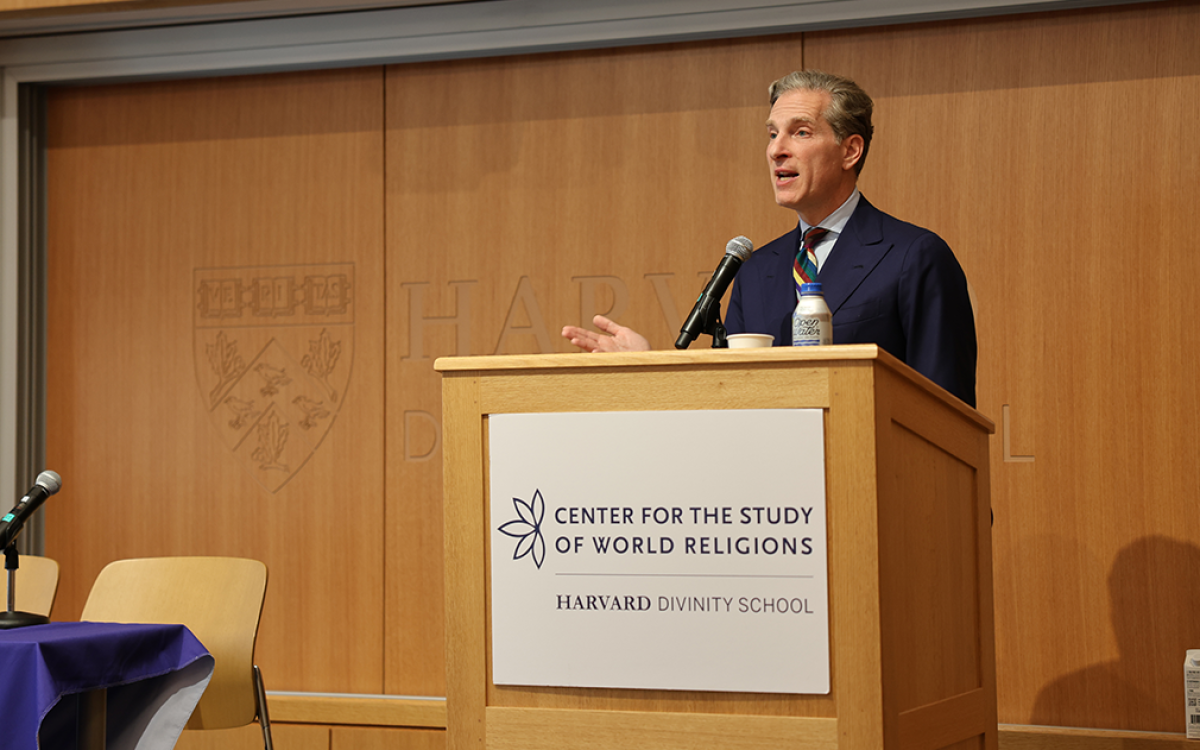
Psychedelics and the search for truth
Legal scholar sees common interests with law, religion, humanities
-

How super-agers keep their brains young
In podcast, experts break down ‘biological contradiction’ of a 65-year-old with the memory of a 25-year-old — and what that means for the rest of us
 Podcast
-
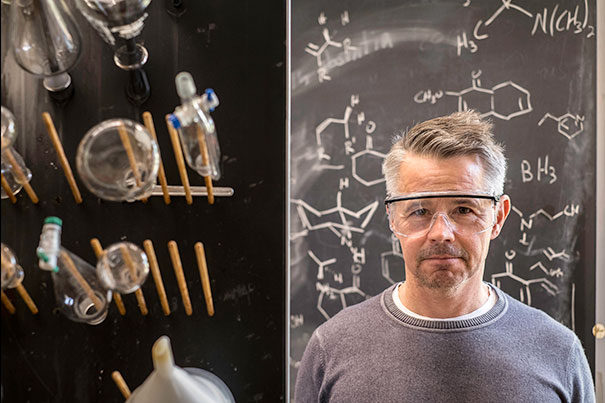
A new platform for discovering antibiotics
Harvard chemists have created a platform for discovering antibiotics that they hope will shorten the time and difficulty involved in measuring their effectiveness, even as the body’s resistance to current antibiotics is rising.
-
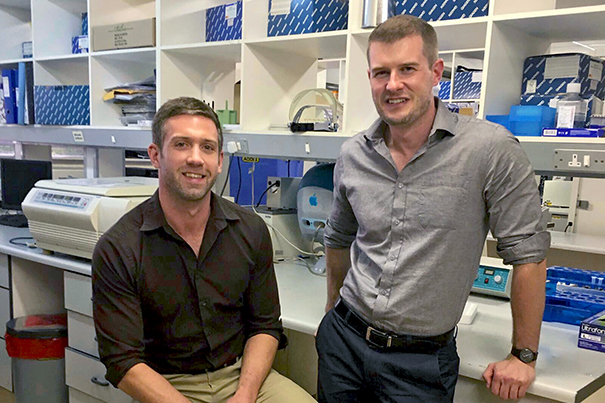
Harvard licenses genotyping platform
Harvard University has granted a license to Aldatu Biosciences Inc., an early-stage diagnostics development company, for a novel genotyping platform that may help clinicians treating HIV to determine more quickly the most effective medication for each patient.
-
The eyes tell
A new study shows that gaze-following develops in monkeys in a way that’s nearly identical to humans, suggesting that the behavior has deep evolutionary roots.

-
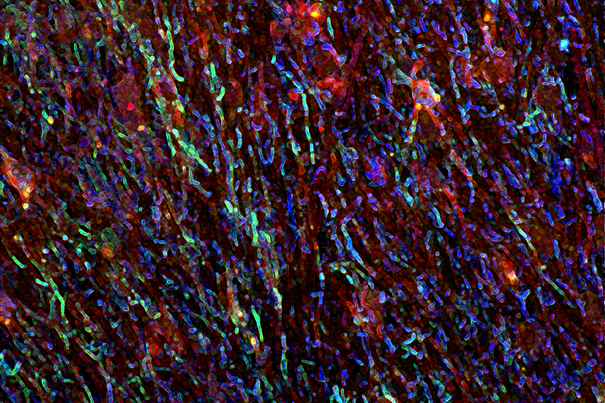
Gut-brain connection moves into MS territory
Using pre-clinical models for multiple sclerosis and samples from MS patients, a Harvard-affiliated team found evidence that changes in diet and gut flora may influence astrocytes in the brain, and, consequently, neurodegeneration, pointing to potential therapeutic targets.
-
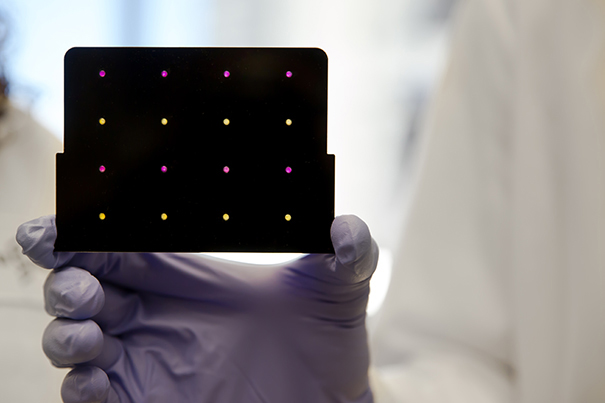
Paper disc can quickly detect Zika virus in the field
Researchers at the Wyss Institute at Harvard have developed a workflow that could diagnose a patient with Zika within two to three hours. The goal of developing the low-cost, rapid paper-based diagnostic system for strain-specific detection of the Zika virus is its use in the field to screen blood, urine, or saliva samples.
-
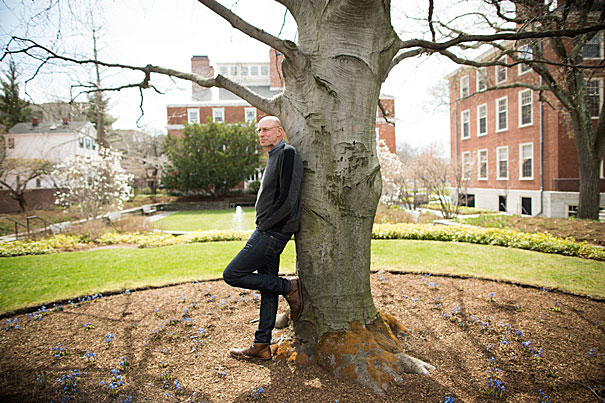
From fresh food to magic mushrooms
Author and journalist Michael Pollan has spent a fellowship year at Radcliffe changing directions and focusing on a fresh project, exploring a budding rebirth of psychedelic drugs for medicinal uses.
-
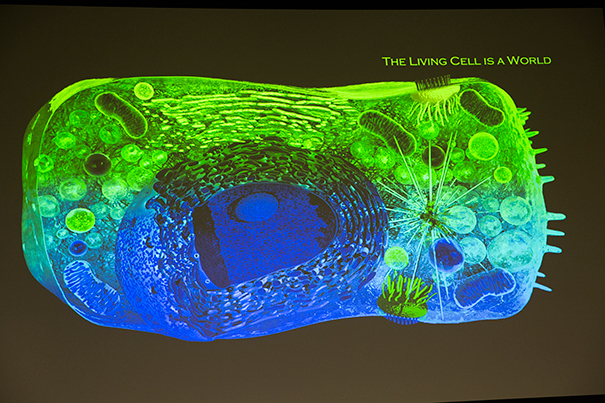
How our bodies harness energy
Robert A. Lue, faculty director of the Harvard Ed Portal, offered his audience insight into his upcoming HarvardX course “Cell Biology: Mitochondria,” during a talk on April 21.
-
New weapons against agricultural pests
Using phage-assisted continuous evolution (PACE) technology developed by Harvard professor David Liu and his co-workers, a team of researchers has evolved new forms of a natural insecticidal protein called “Bt toxin,” which can be used to help control Bt toxin resistance in insects.

-
Inequality runs deeper than health law
The Affordable Care Act has narrowed health disparities along class and race lines, but not nearly as much as needed.

-
A quest for happiness
A gift from the Lee Kum Kee family in Hong Kong will fund a new Harvard center to study how to increase happiness and, by extension, health.

-
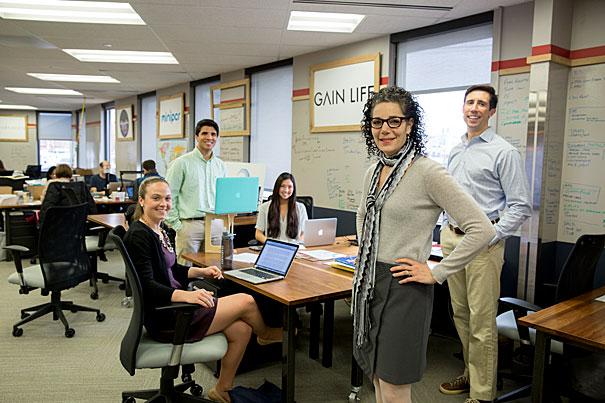
Changing your body, from the top down
A Harvard Launch Lab startup headed by a Harvard Business School grad is focusing on the “battle between the ears” to transform people’s bodies, opening another front in the battle against obesity.
-
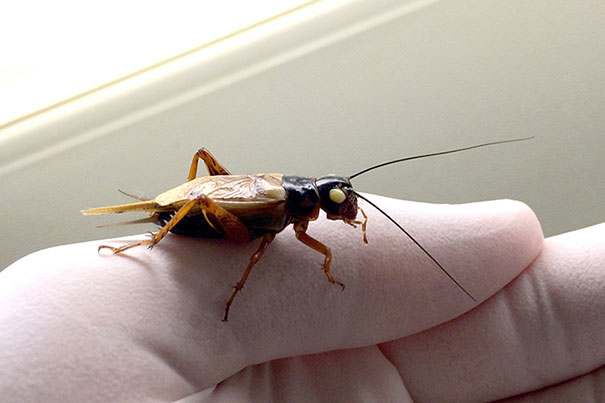
New view of germ cells
Cassandra Extavour is the author of a new study that points to a different mechanism as an ancestral process for specifying germ cells.
-
Of medicine and ethics
Shifts in the medical care field can allow health care providers both to prosper and to serve patients better, speaker tells Harvard Medical School conference.

-
Greenery plays key role in keeping women healthy, happy
The amount of vegetation surrounding the homes of women in the United States plays an important role in their mortality rate, according to a new Harvard study.

-
For life expectancy, money matters
A new study published in the Journal of the American Medical Association shows that income is closely correlated with life expectancy, with the richest Americans living as much as 15 years longer than the poorest — and even the poor living longer in wealthy areas.

-
When picky eating is too great a luxury
Low-income parents face an extra challenge when trying to get their kids to eat healthy: the cost of food wasted if children refuse to eat it.

-
New weapon against breast cancer
Levels of a molecular marker in healthy breast tissue can predict a woman’s risk of getting cancer, according to new research from the Harvard Stem Cell Institute.

-
Our blood, ourselves
Two Harvard-trained researchers, who bonded while battling epidemics in West Africa, are developing diagnostic technology to help women monitor their own health and fertility.

-
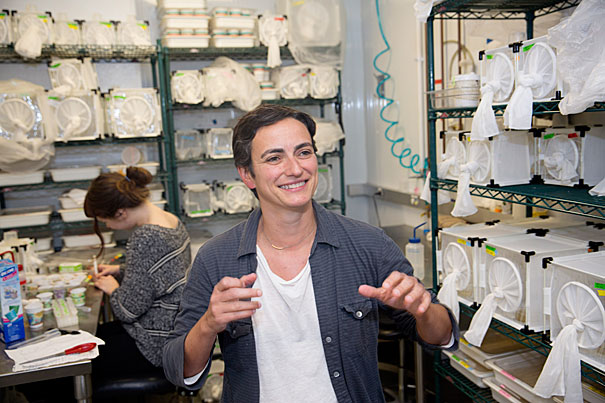
Deploying mosquitoes against Zika
Flaminia Catteruccia, an associate professor of immunology and infectious diseases at the Harvard T.H. Chan School of Public Health, speaks to the Gazette about using genetically modified mosquitoes to combat the Zika virus and other diseases.
-
Strength in love, hope in science
Husband and wife Eric Minikel and Sonia Vallabh have found a home at the Broad Institute to work toward a treatment for her fatal disease.

-
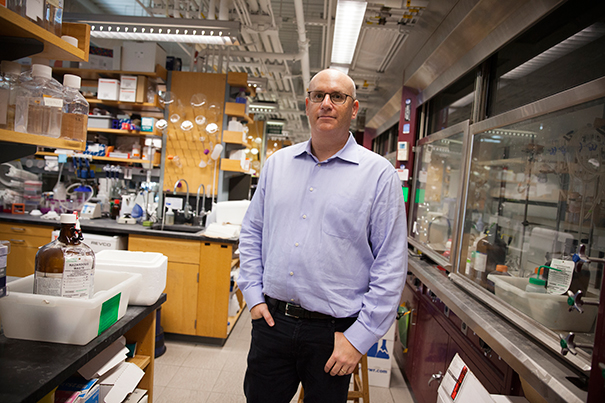
Collaboration to develop cancer therapeutics
The Blavatnik Biomedical Accelerator will collaborate with Merck to develop small-molecule therapy for the most common form of acute leukemia.
-
Real as a heart attack, almost
“Standardized patients” are trained actors who role-play the sort of diagnostic puzzles regularly faced by practicing physicians. They interact with students at the Tosteson Medical Education Center at Harvard Medical School (HMS).

-
Alcohol and heart risk, by the minute
A study by researchers at the Harvard T.H. Chan School of Public Health shows that moderate alcohol consumption can produce a temporary increase in heart attack and stroke risk.
-
Aspirin found to reduce overall cancer risk
An analysis of data from two long-term epidemiologic studies has found that regular use of aspirin significantly reduces the overall risk of cancer, an effect that primarily reflects a lower risk of colorectal cancer and other tumors of the gastrointestinal tract.

-
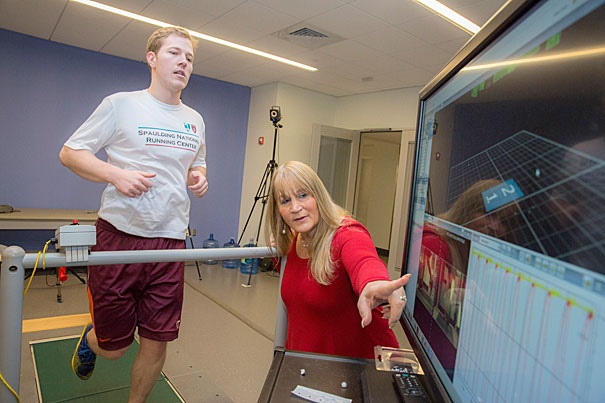
Where runners go wrong
A new study out of Harvard Medical School and the National Running Center at Harvard-affiliated Spaulding Rehabilitation Hospital examined why runners get injured so often.
-
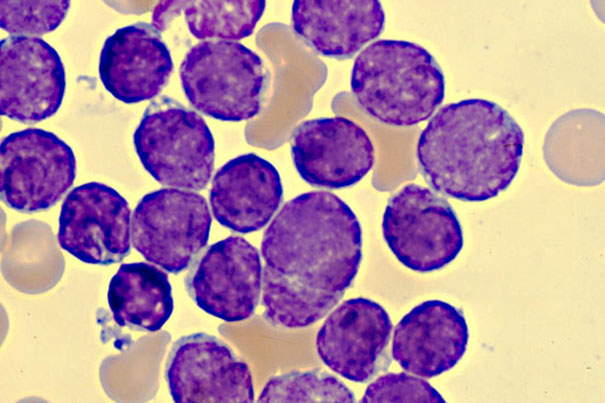
High poverty’s effect on childhood leukemia
Children with acute lymphoblastic leukemia who live in high-poverty areas are substantially more likely to suffer early relapse than other patients, according to a new study.
-
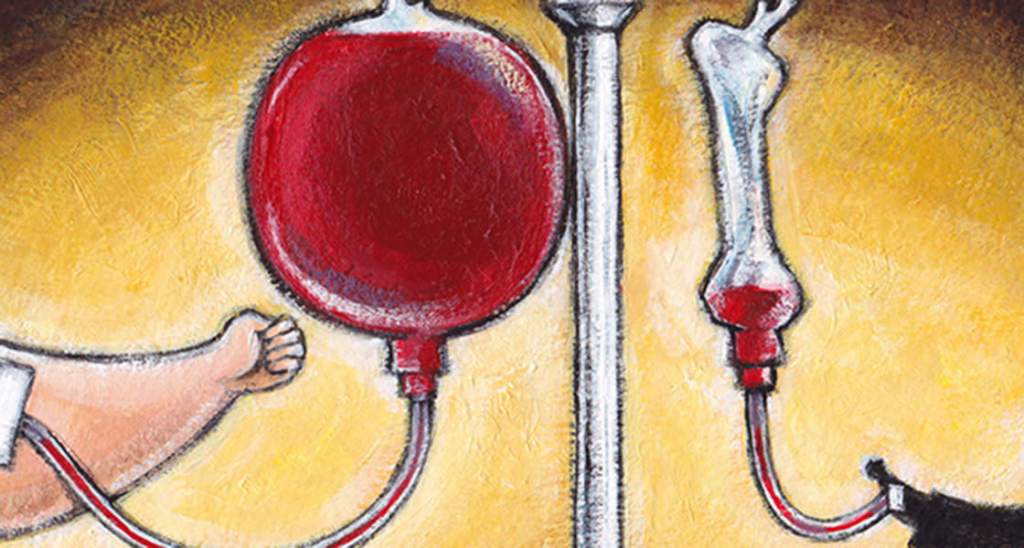
The costs of inequality: Money = quality health care = longer life
National health insurance is just a first step to solving the divide between America’s well-off healthy and its poorer, sicker people, Harvard analysts say.
-
Politics biggest threat to malaria effort
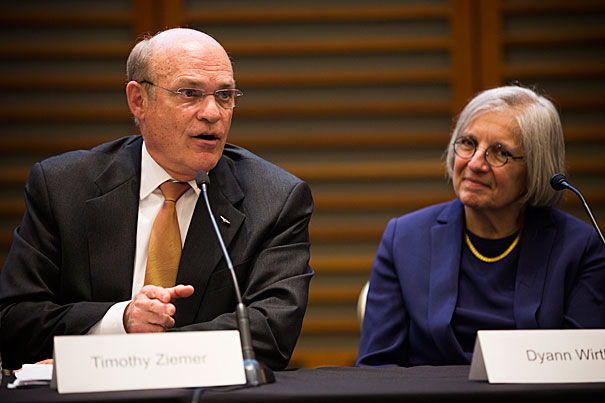
America’s top malaria official said that everyday politics presents one of the biggest threats against progress to eliminate the worldwide killer.
-
Discovering predictor for fatal infection in preterm babies
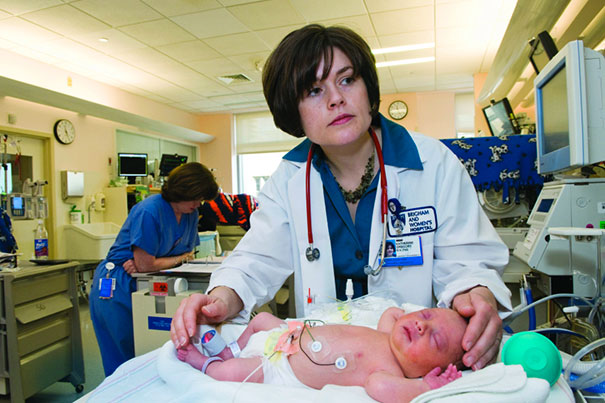
Katherine Gregory, a nurse scientist at Brigham and Women’s Hospital, searched for an answer to the mystery of necrotizing enterocolitis (NEC), a sometimes fatal infectious disease of the newborn gut affecting preterm infants.
-
Watching sensory information translate into behavior
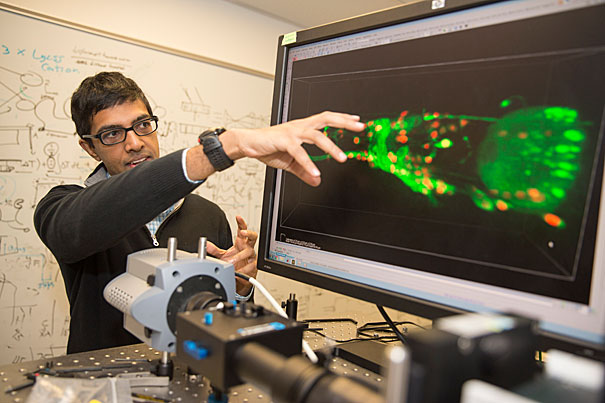
A state-of-the-art microscope built by Harvard researchers will allow scientists to capture 3-D images of all the neural activity in the brains of tiny, transparent C. elegans worms as they crawl.