 Featured series
Health
-
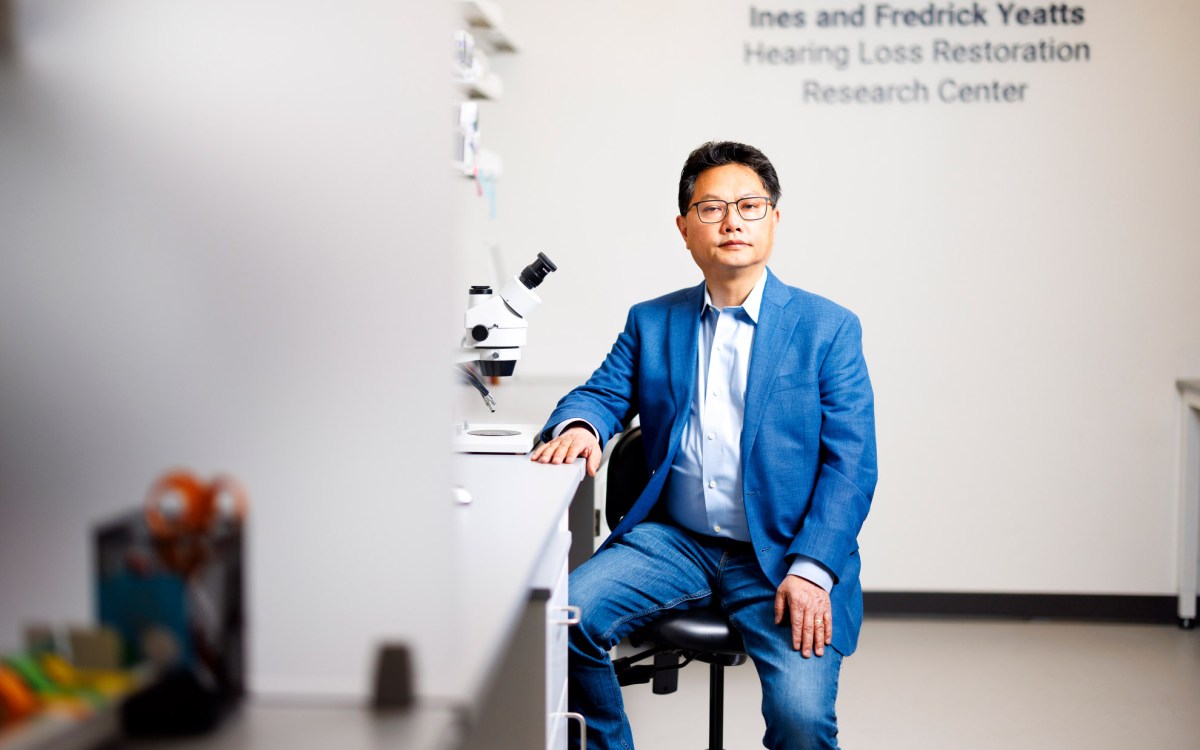
Hearing breakthrough holds up
Gene therapy yields lasting gains for patients with inherited deafness: ‘How well it worked is really amazing.’

-

Dangers coming from inside the house
John D. Spengler reflects on 50-year career of clearing the air — including in hockey rinks and on airplanes
-
Blood test has potential to detect earliest signals of Alzheimer’s disease
New study suggests higher levels of pTau217 predict a faster progression, even when initial brain scans appear normal
-

Rural U.S. bears heaviest burden accessing dental care
Researchers find 24.7 million Americans live in dental deserts, with transportation and specialty care the steepest barriers
-
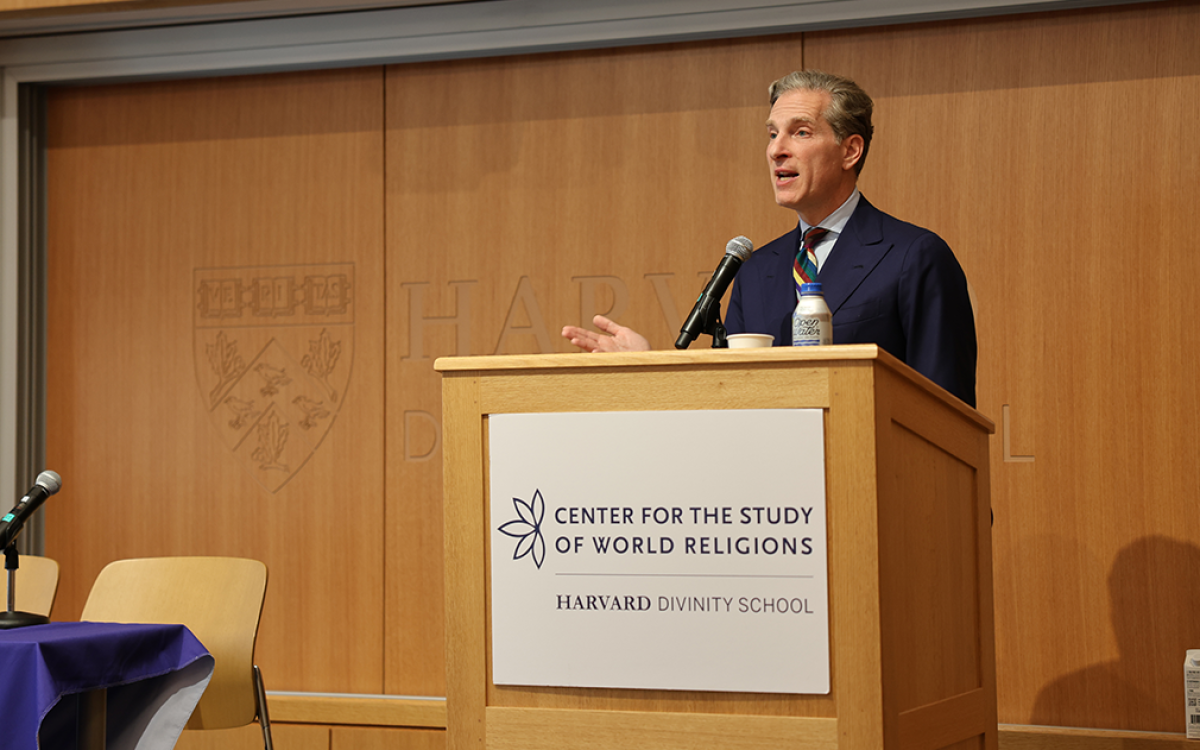
Psychedelics and the search for truth
Legal scholar sees common interests with law, religion, humanities
-
How super-agers keep their brains young
In podcast, experts break down ‘biological contradiction’ of a 65-year-old with the memory of a 25-year-old — and what that means for the rest of us
 Podcast
-
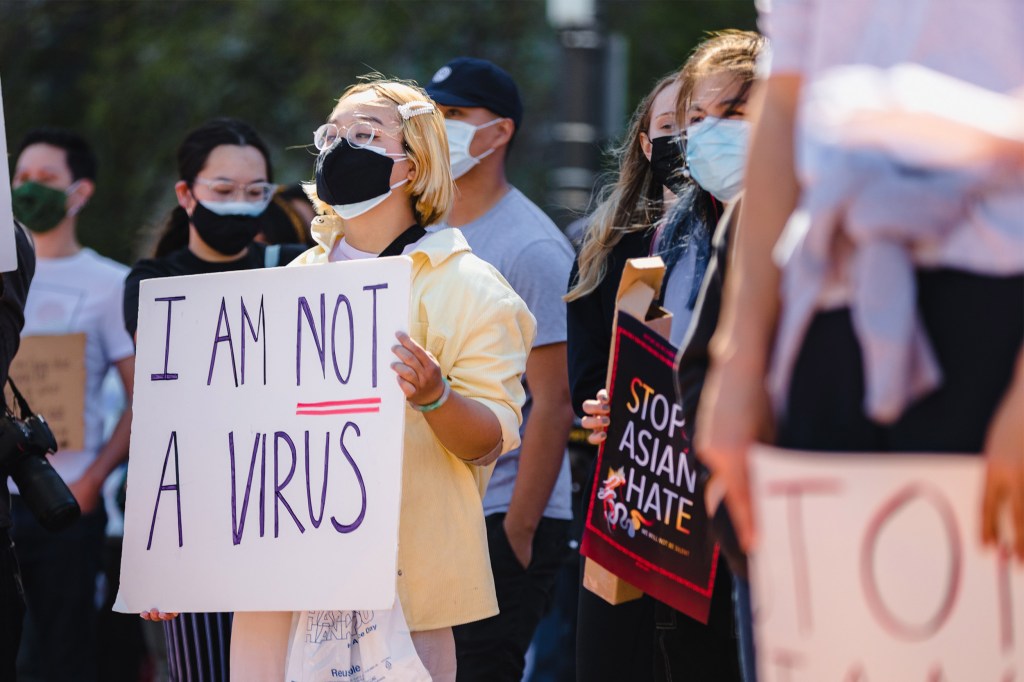
Asian Americans more worried about racist Americans than coronavirus
A new survey shows that Asian Americans are more worried about the possibility of being a victim of pandemic-related racism than the virus itself
-
‘Very strong degree of normality’ likely by year’s end
Though the so-far-successful U.S. vaccination drive is likely to deliver an approximation of normal life by year’s end, Anthony Fauci and a panel of heath care experts cautioned that the global battle against COVID-19 is far from won.

-
With COVID spread, ‘racism — not race — is the risk factor’
Since the outset of the COVID-19 outbreak, public health experts have noted the disproportionate toll on Black and brown Americans. Those groups are at much greater risk of getting infected than white people; they are two to three times likelier to be hospitalized, and twice as likely to die, according to recent estimates from the U.S. Centers for Disease Control.
-
Salad or cheeseburger?
People in our social networks influence the food we eat — both healthy and unhealthy — according to a large study of hospital employees.
-
Sleep easy
Research reveals distinct types of cells that may be involved in breathing-related diseases in infants.
-
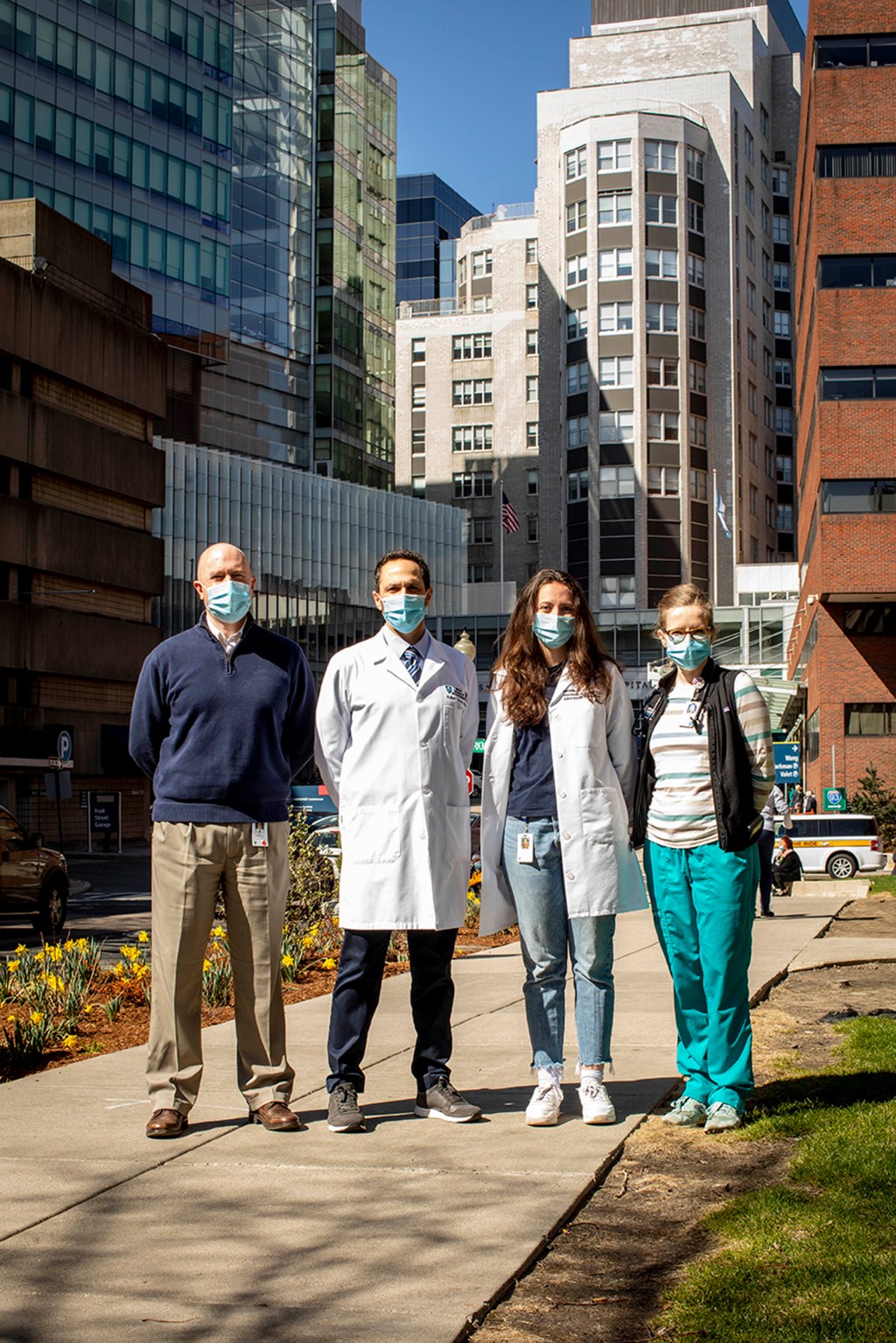
Untangling a young patient’s autoimmune mystery
The Complex Care Service was created for patients like Emily Hedspeth who are, as Thompson described, “the sickest 1 percent of the sickest 1 percent.”
-
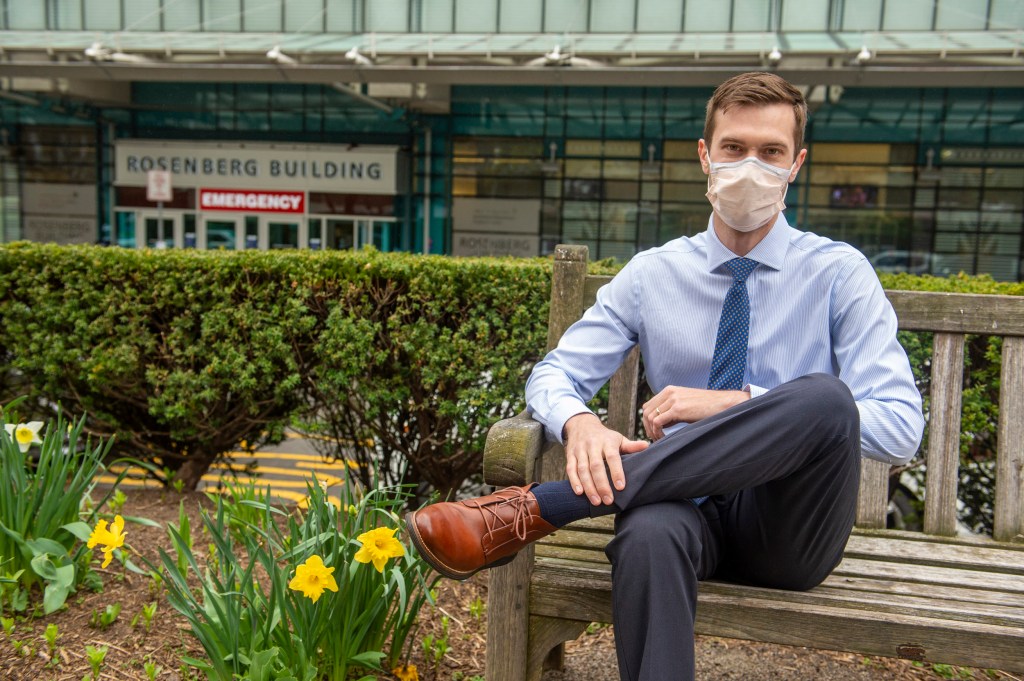
A pandemic that endures for COVID long-haulers
The health care system is seeing more “long COVID” patients, those whose often mild initial illness is followed up by months of severe, sometimes debilitating symptoms.
-
High standards
A study of metabolites in the urine of patients taking medical cannabis products shows that the actual THC or CBD content is often different from what they expect.

-
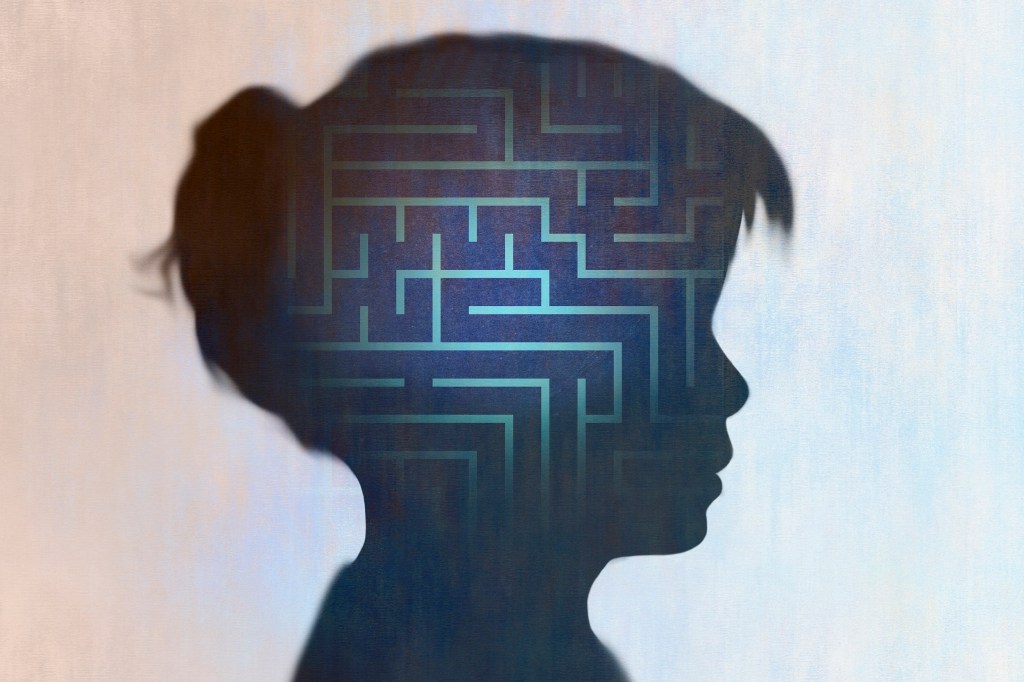
How spanking may affect brain development in children
Spanking may affect a child’s brain development in ways similar to more severe forms of violence, according to a new study led by Harvard researchers.
-
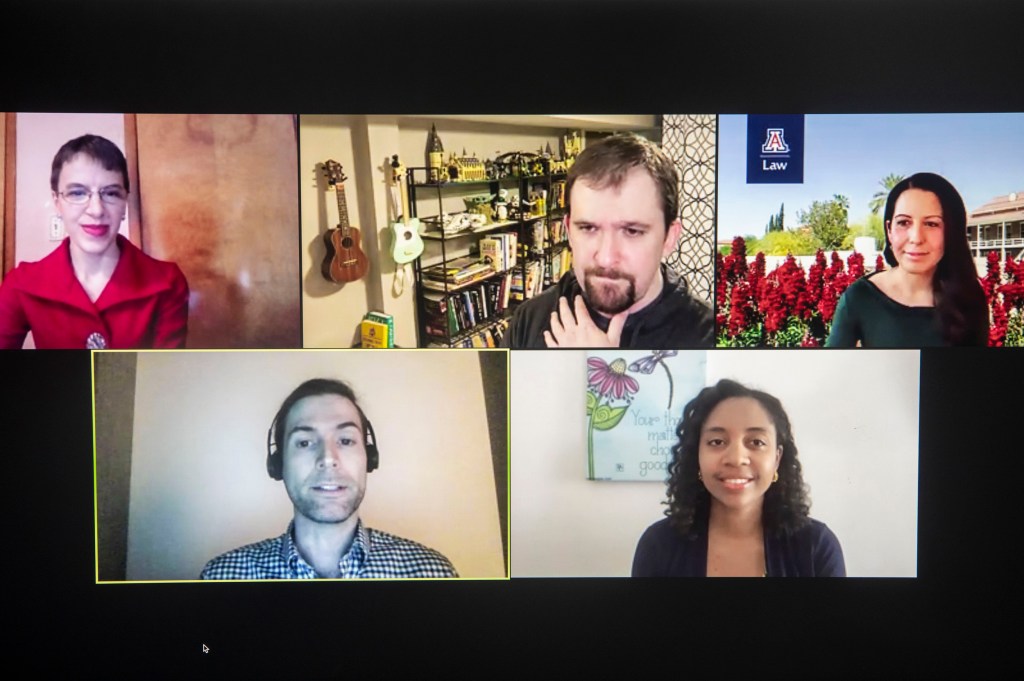
Telehealth works, but upgrade is still needed, say experts
Telehealth is experiencing a pandemic-induced boom that experts say has helped patients maintain contact with their doctors and lowered barriers to access for many. It’s important, should the change become permanent, to ensure equal access to all communities.
-
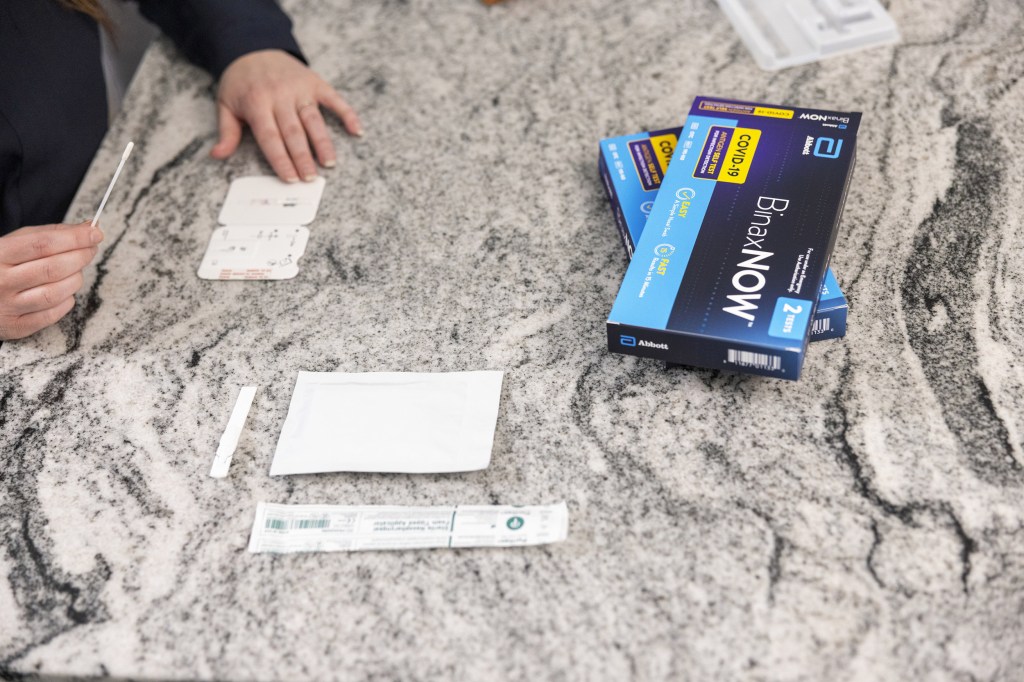
Approval of at-home tests releases a powerful pandemic-fighting weapon
FDA approval of two over-the-counter rapid antigen tests promises to transform the testing landscape around COVID-19, lowering cost and giving the certainty of knowing when you’re infected to the individual, a Harvard epidemiologist said.
-
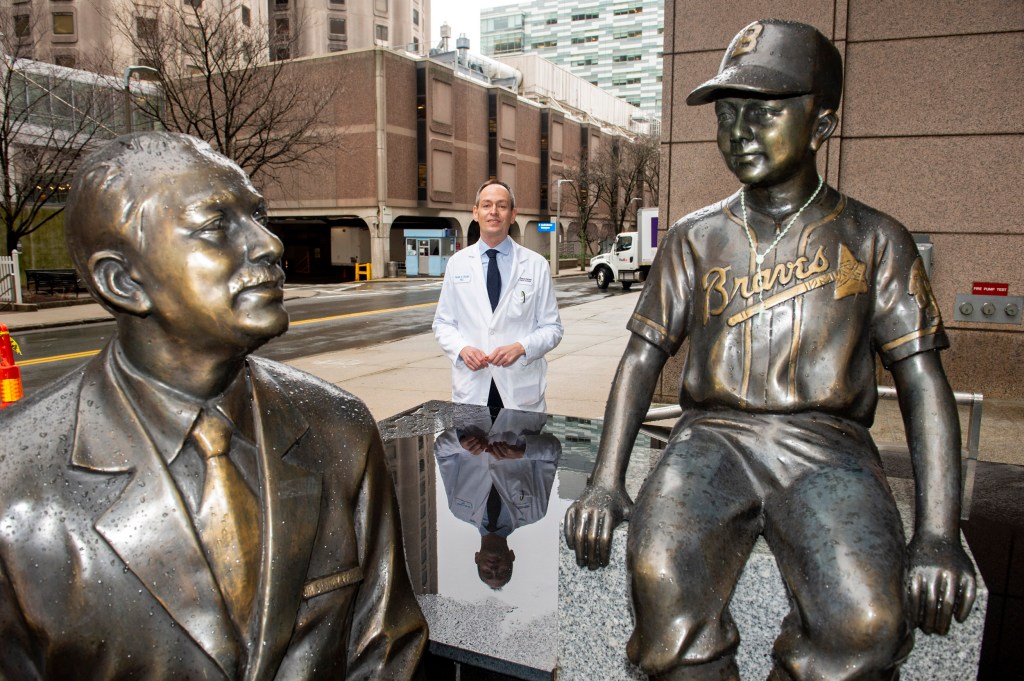
Cancer vaccine shows durable immune effects
Researchers at Harvard Medical School and affiliated institutions have shown that a personalized cancer vaccine that is specific to an individual’s tumor has lasting effects, detecting vaccine-related immune system changes years after the vaccine was given.
-
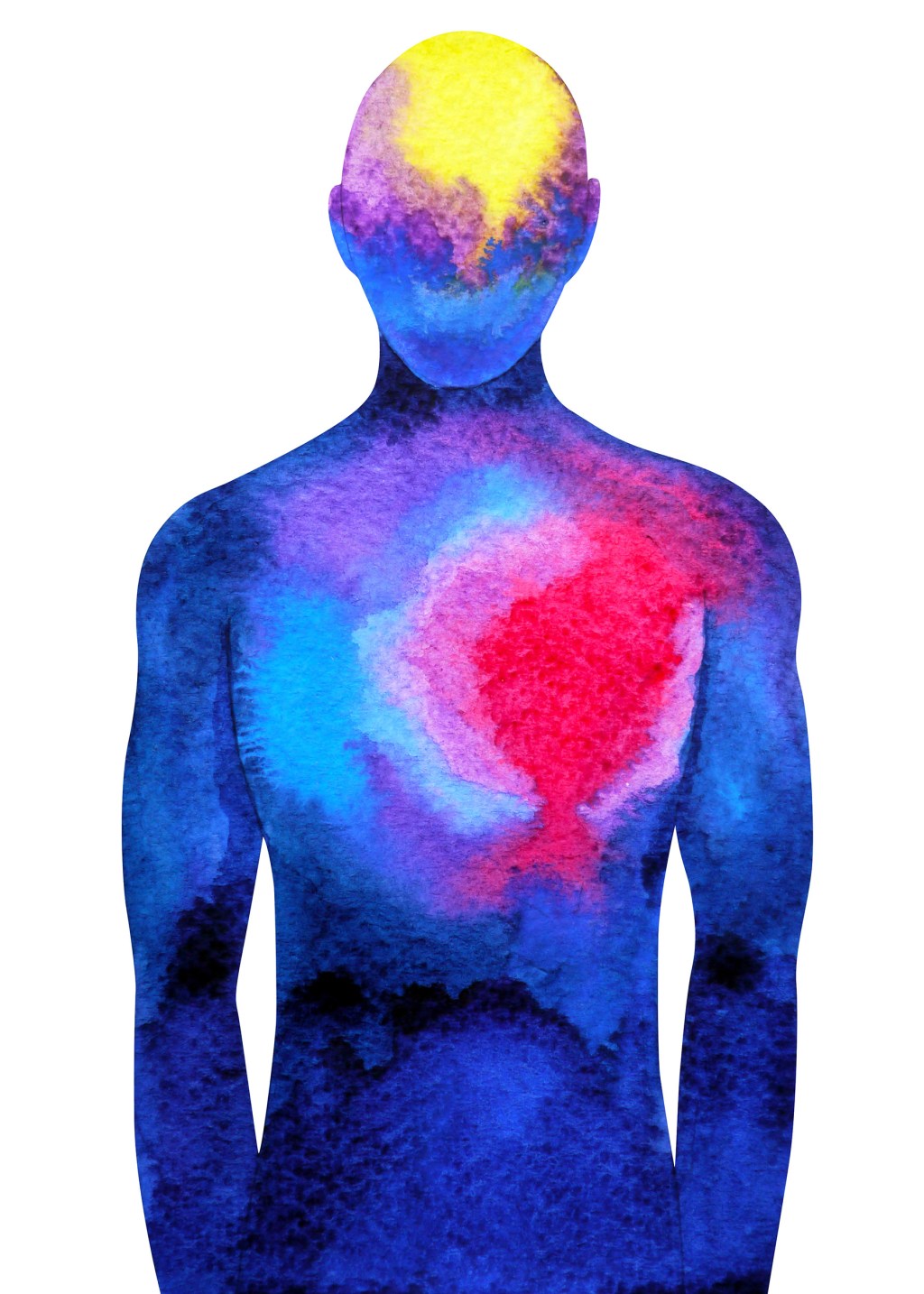
When the heart takes a beating
New study provides insights on how stress-related brain activity can temporarily damage the heart.
-
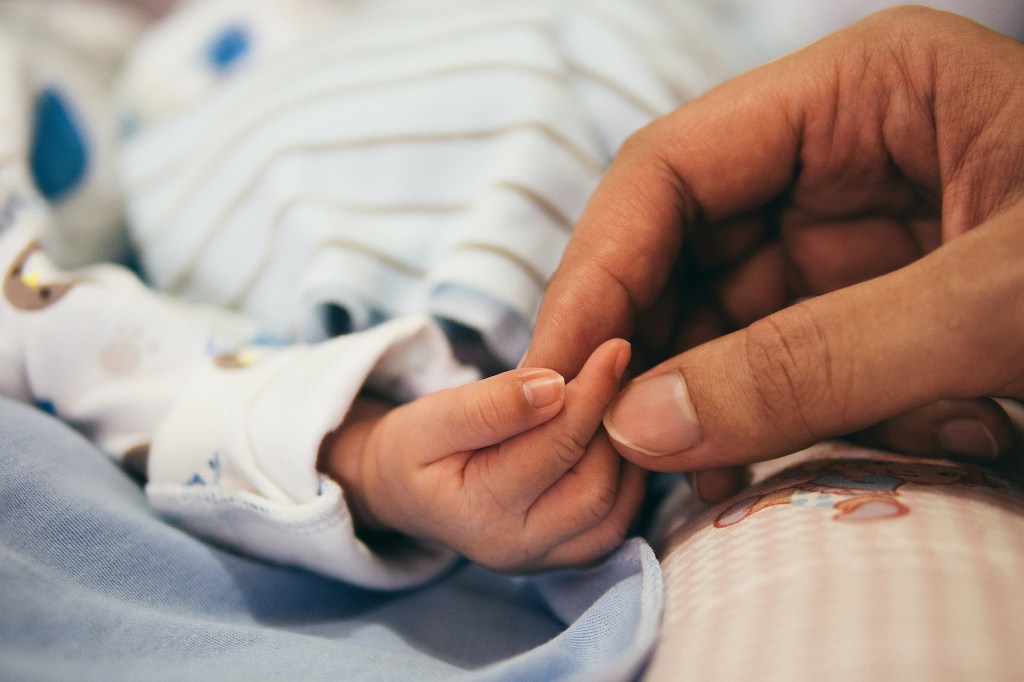
COVID-19 vaccine protects mothers — and their newborns
Pregnant women show robust immune response to COVID vaccines, pass antibodies to newborns.
-
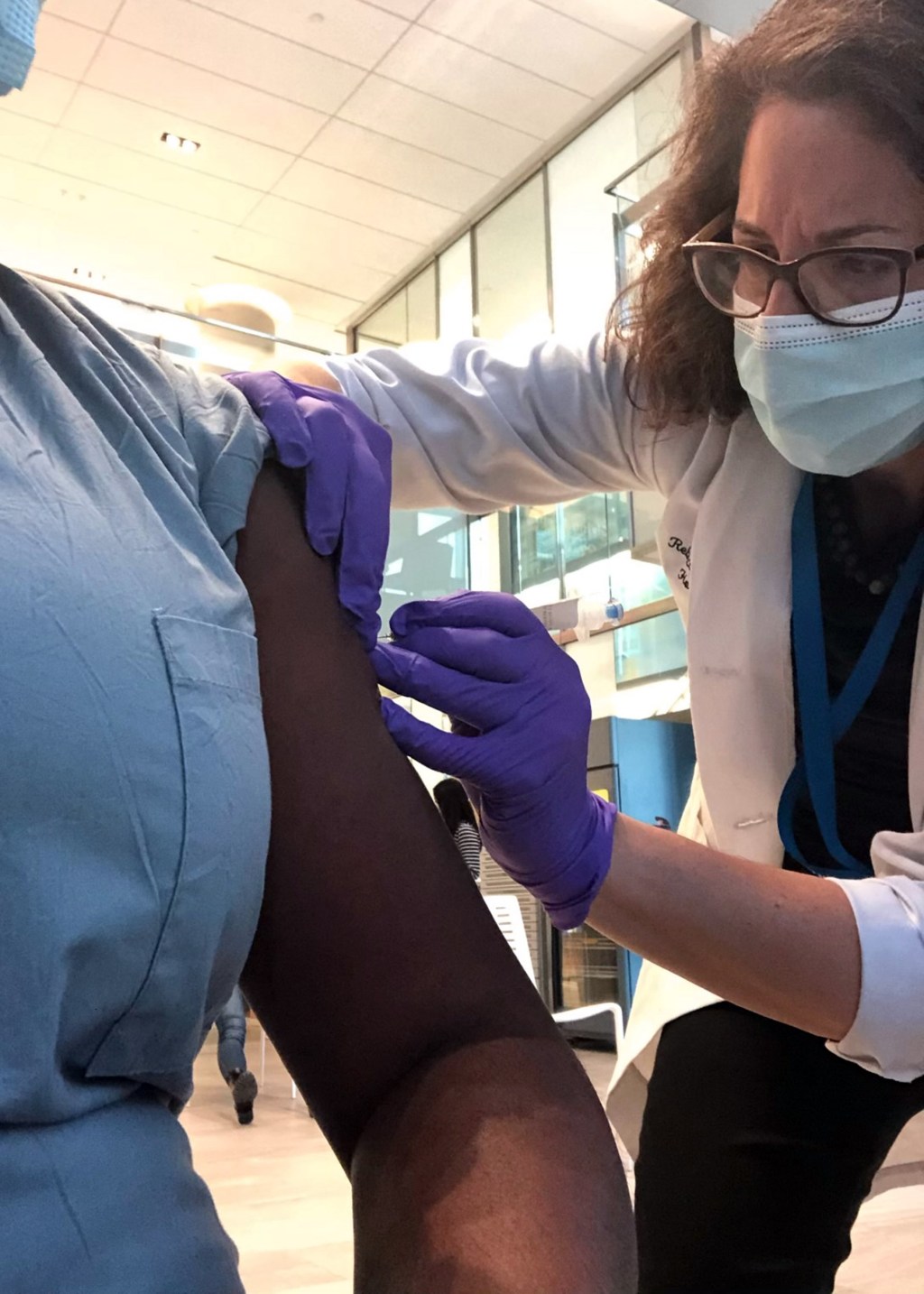
Seeking ‘a leadership moment’ on global vaccination
A $25 billion investment in global vaccines would bring a five-to-one economic return and save many lives, according to Rebecca Weintraub, an HMS global health expert.
-
In the gut microbiome, at least, it’s nurture, not nature
Environmental factors such as diet make major impacts in the gut microbiome, a new study shows.
-
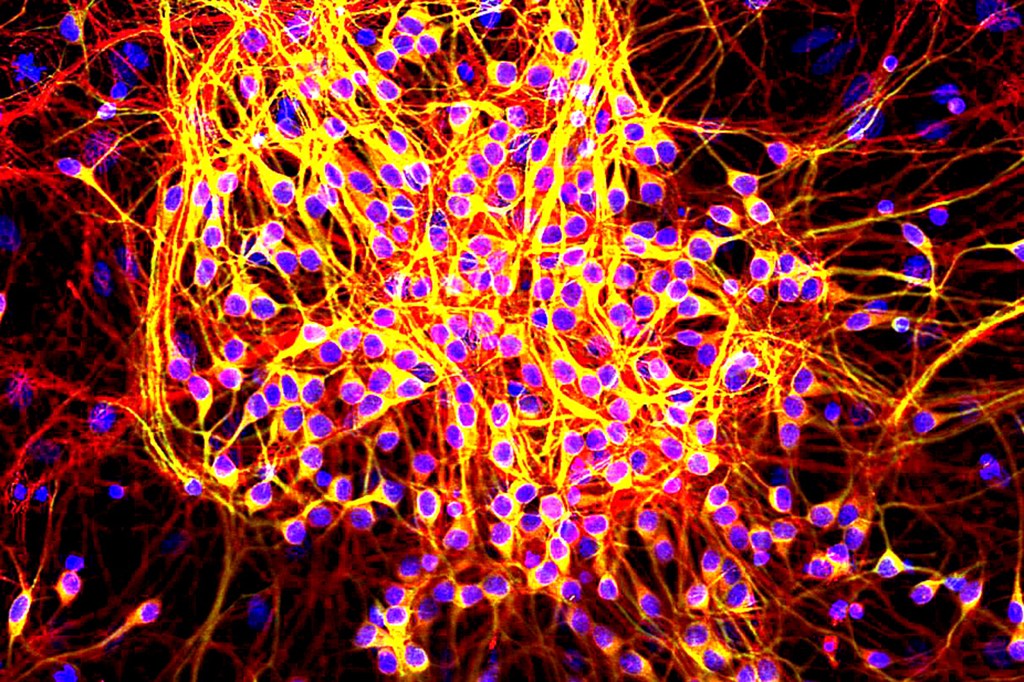
‘Zinc fingers’ may help treat Alzheimer’s disease
Researchers have used a genetic engineering strategy to dramatically reduce levels of tau — a key protein that accumulates and becomes tangled in the brain during the development of Alzheimer’s disease — in an animal model of the condition.
-
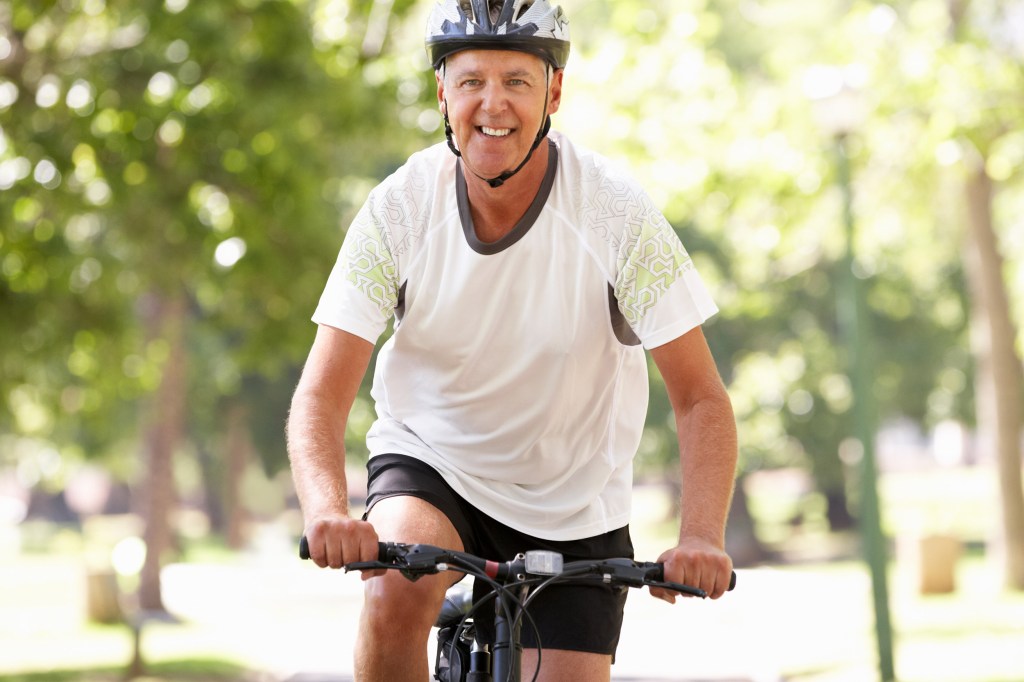
Double benefits for heart-healthy lifestyle
The risk of future cancers was lowest among participants in a community-based observational study who had a heart-healthy lifestyle.
-
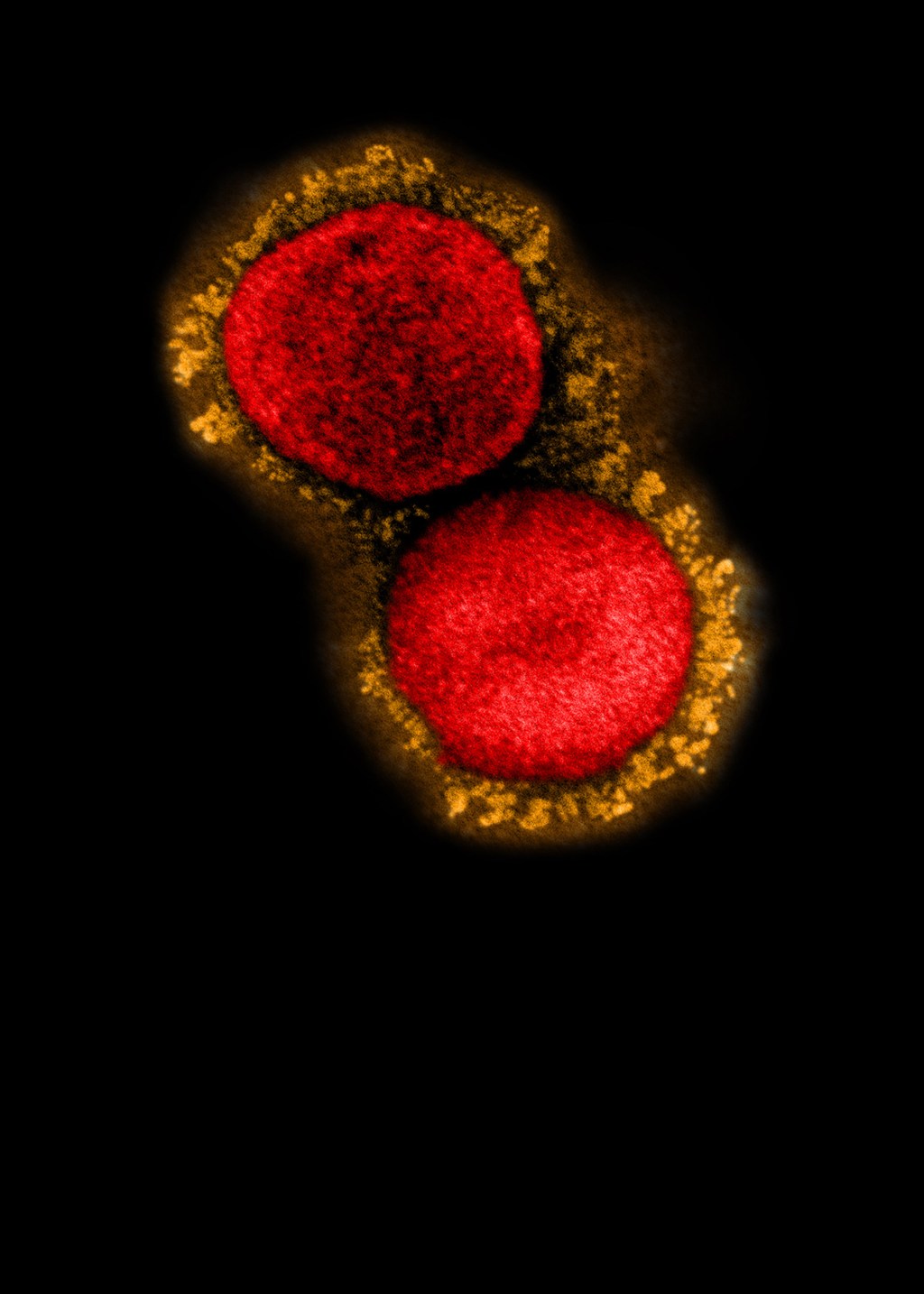
How a mutated coronavirus evades immune system defenses
A Harvard Medical School study shows how SARS-CoV-2 mutations allow the virus to evade the defenses of patients with compromised immune systems.
-
Dental students fill the gap in online learning
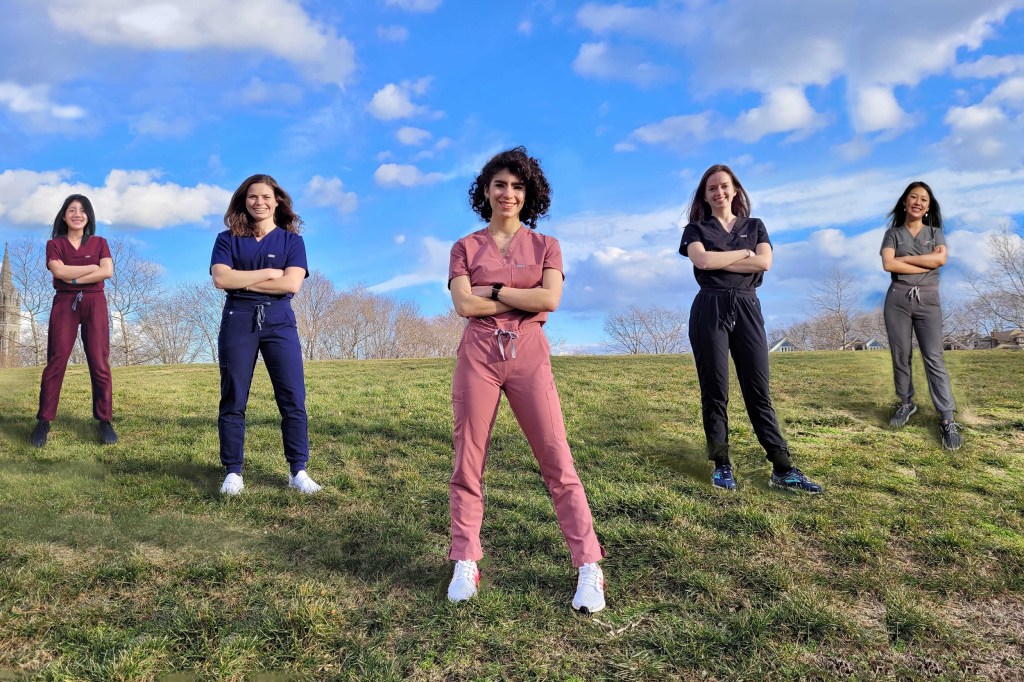
Five Harvard School of Dental Medicine students created “My Dental Key,” an online platform with step-by-step video tutorials of dental procedures to supplement clinical and classroom learning.
-
Professor, banking giant join on studies of rapid COVID tests to avoid future shutdowns
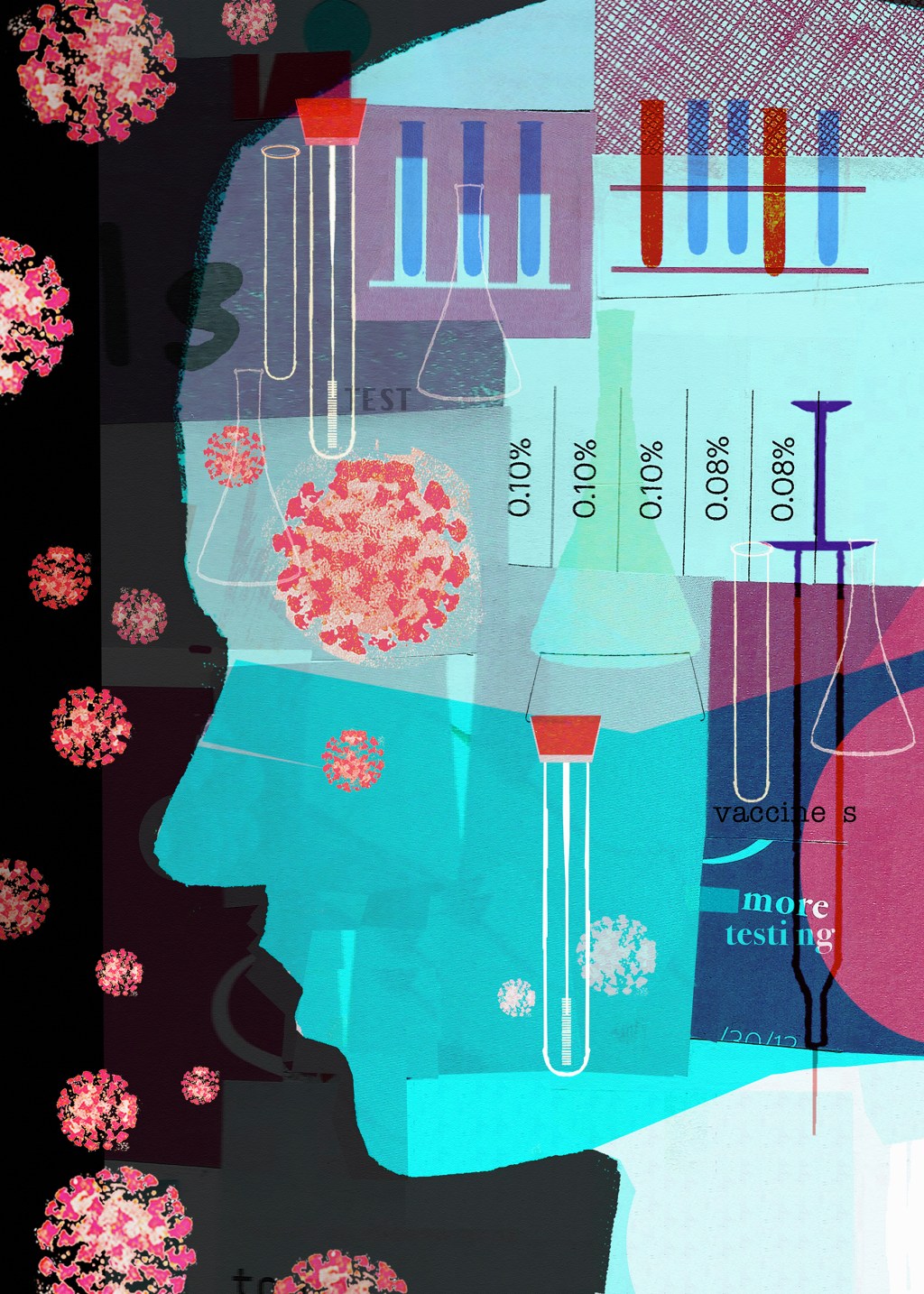
A new trial seeks to test whether cheap rapid tests given three times a week can keep the workplace safe despite the coronavirus pandemic.
-
Lessons from Katrina on how pandemic may affect kids
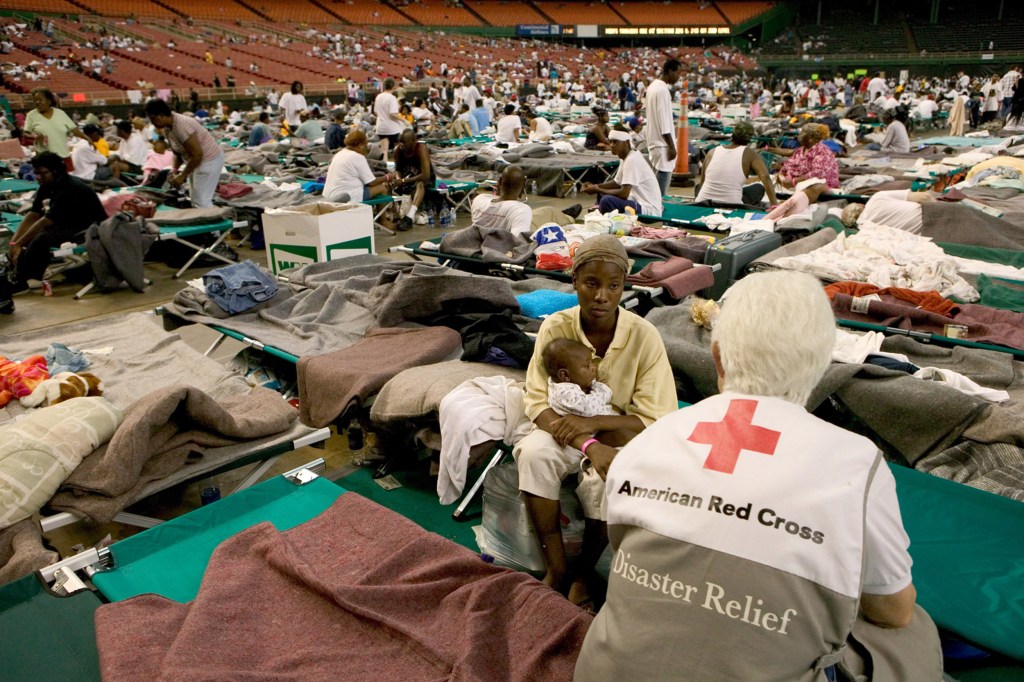
Harvard researchers looked at Katrina’s impact on children and how the lessons learned there could be applied to the COVID pandemic.
-
When even grief is taken away
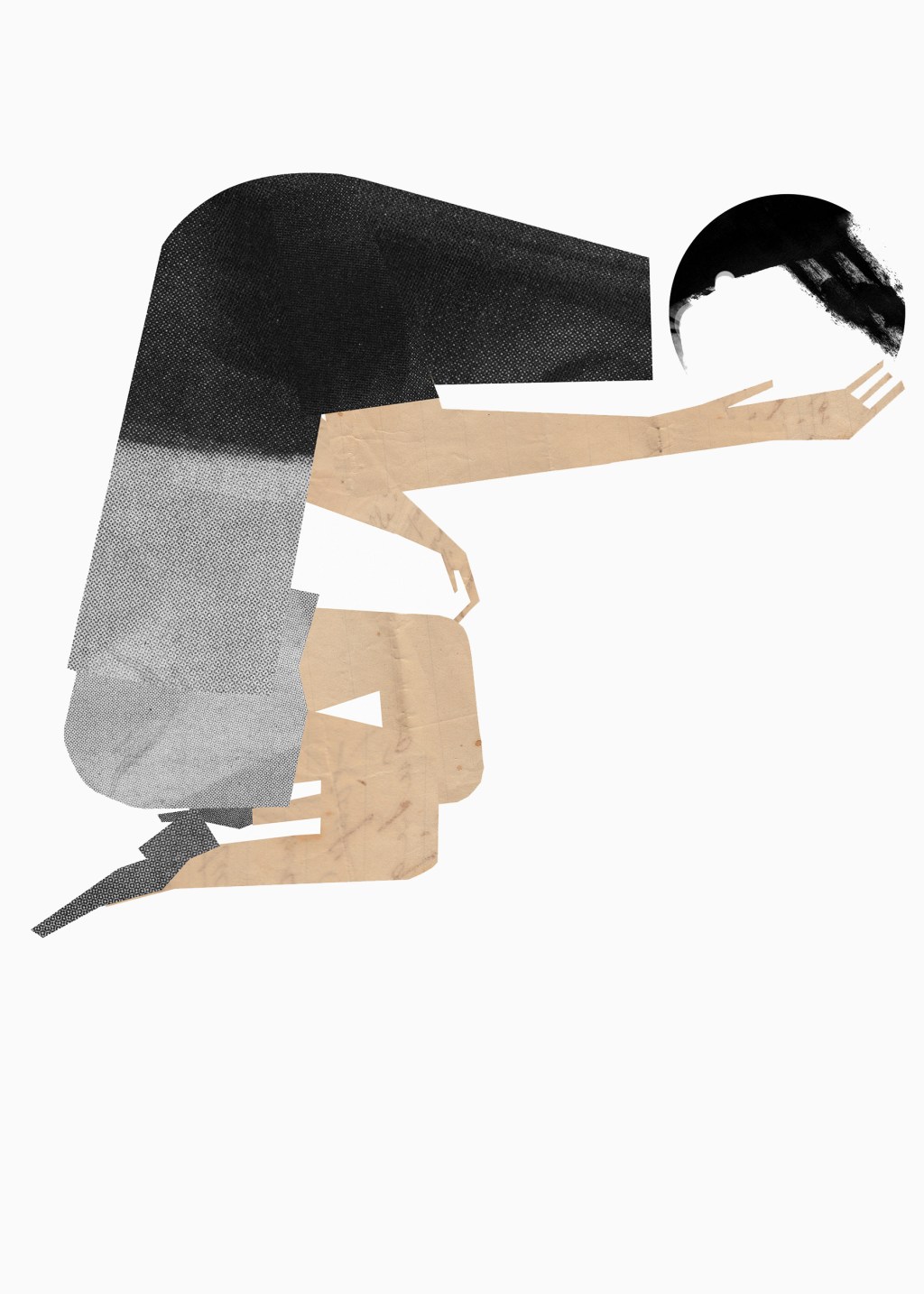
With 500,000 deaths due to COVID, the U.S. has become a nation in mourning, often alone, also dealing with the trauma of the pandemic’s other effects, a combination that worries mental health experts.
-
Vaccines can get us to herd immunity, despite the variants
Can the current crop of vaccines get us to herd immunity even if variants become widespread? A Harvard immunologist says yes.
-
We may duck a surge from variant that sent Britain reeling
A Harvard epidemiologist said the forces of seasonality, slowly rising immunity, and shifting personal behavior will likely create a viral variant landscape with regional spikes in the months to come rather than a uniform national wave.

-
Young adults hardest hit by loneliness during pandemic
As experts worry the COVID pandemic is triggering a loneliness epidemic, new Harvard research suggests some of the hardest hit are older teens and young adults.

-
Exercise: It’s all about timing
Based on observational data, it was found that the timing of daily physical activity was linked to fitness levels and cardiovascular risks in men with Type 2 diabetes.
-
Chan School study gives airports high marks in COVID safety
Harvard scientists say airports are employing a layered approach to make air travel safer for those who must fly.
-
How older adults may be doubling their risk of dementia
A new survey found that getting five or fewer hours of sleep in the older adult population was associated with double the risk of dementia.
-
Upgrade your mask as more-transmissible COVID strain surges
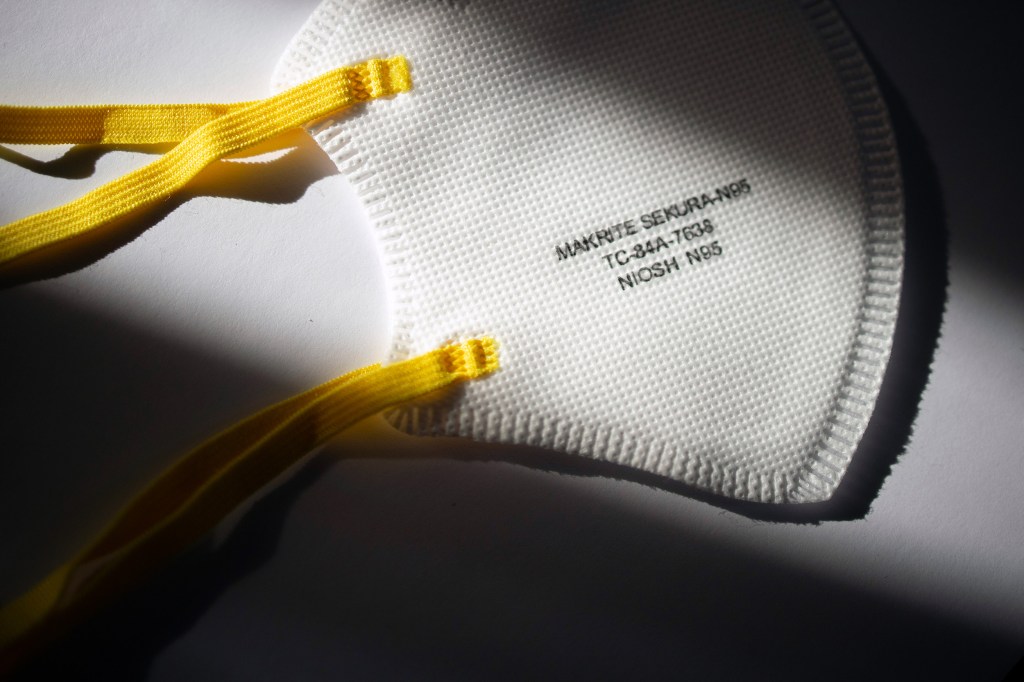
With new coronavirus variants on the U.S. pandemic scene, experts say brace yourself for another surge — and mask up.